
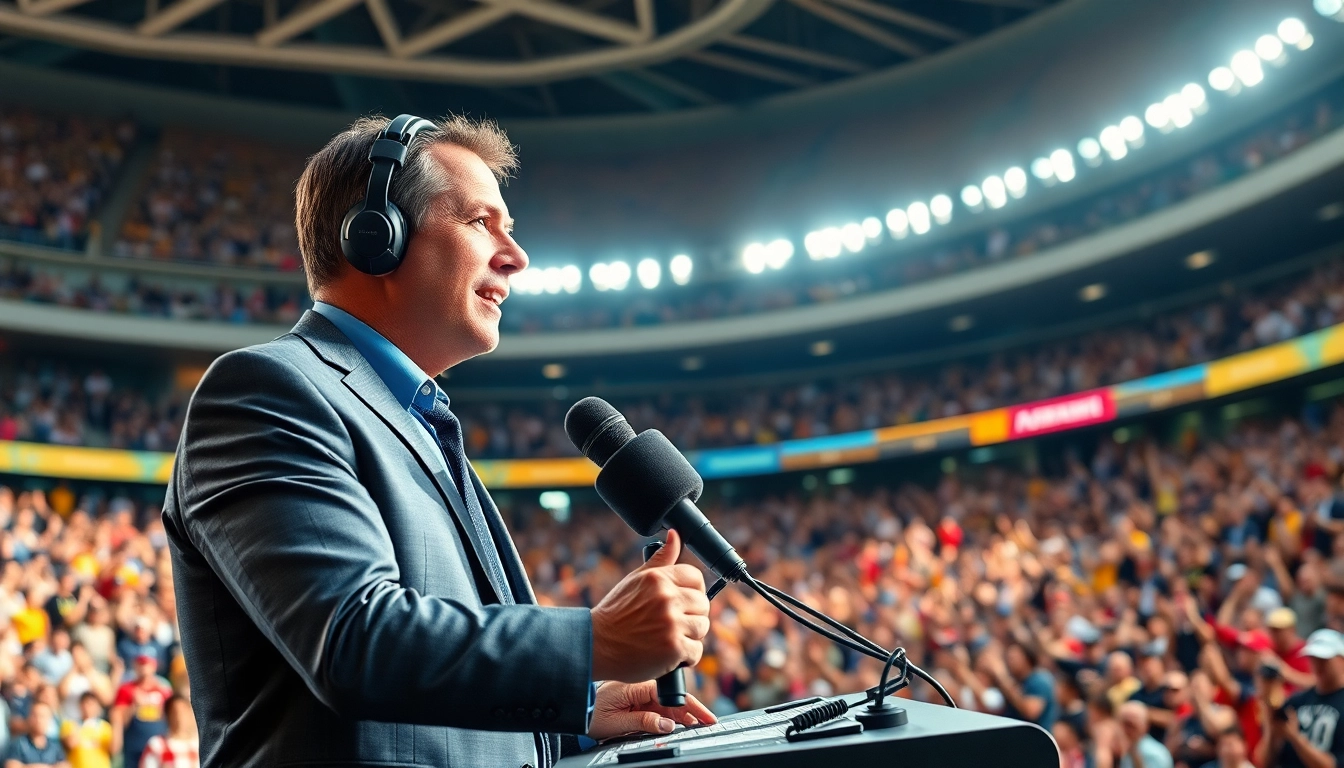
The Evolution of Sports Broadcasting
Historical Background of Sports Broadcasting
Sports broadcasting has undergone a profound transformation since its inception in the early 20th century. The first live sports event broadcast occurred in 1921 when KDKA in Pittsburgh aired a boxing match between Johnny Dunn and Johnny Ray. This groundbreaking moment set the stage for a rich history that would see radio, television, and the internet shape how audiences experience sports. Over the decades, pivotal moments such as the introduction of televised sporting events in the 1930s, the explosion of cable television in the 1980s, and the emergence of the internet in the 1990s have continually redefined sports broadcasting. Today, we live in a world where sports can be accessed through a variety of platforms, offering fans unparalleled access to their favorite events.
Technological Advancements Impacting Broadcasting
The landscape of sports broadcasting has been significantly affected by technological advancements. Initially, sports were only available through radio and later, television. With the advent of high-definition (HD) and ultra-high-definition (UHD) broadcasts, fans began to enjoy crystal-clear visuals that enhanced their viewing experience. The integration of 4K streaming technology has further elevated the quality of broadcasts. Moreover, advancements in data analytics have made real-time statistics more available during live broadcasts, allowing viewers to engage more deeply with the game.
The Rise of Online Streaming in Sports Broadcasting
In recent years, online streaming has revolutionized sports broadcasting. The rise of subscription-based platforms and over-the-top (OTT) applications has reshaped how audiences consume sports content. Fans are no longer restricted to watching their favorite games on traditional television; they can now stream games live from their phones, tablets, or smart TVs. This accessibility has led to a surge in global sports viewership, fostering unique partnerships between sports leagues and tech companies to bring content directly to viewers without geographic constraints. Additionally, online streaming allows for greater interactivity, with fans being able to choose camera angles, access behind-the-scenes content, and engage in live chats during matches.
Essential Skills for Sports Broadcasting Professionals
Communication Techniques for Engaging Commentary
Effective communication is the cornerstone of successful sports broadcasting. To captivate audiences, a broadcaster must master various techniques. Engaging commentary involves a blend of storytelling, enthusiasm, and clarity. Broadcasters need to convey their passion for the sport while providing insights and analyses that enhance the viewer’s understanding of the game. The ability to modulate voice tone to match the excitement of the moment is crucial, as it helps create an emotional connection with the audience.
Research and Preparation: The Backbone of Commentary
Thorough research and preparation are essential for any sports broadcaster. This includes understanding player statistics, team dynamics, historical matchups, and current events impacting the sport. Preparing notes and statistics prior to a broadcast allows presenters to provide context and depth to their commentary. Additionally, being well-versed in the rules of the sport is crucial, as it ensures accurate and authoritative commentary that instills confidence in the audience.
Understanding Your Audience in Sports Broadcasting
To effectively engage viewers, sports broadcasters must understand their target audience. Audience demographics, preferences, and viewing habits play significant roles in tailoring commentary and discussions. Broadcasting aimed at a younger audience may incorporate more entertainment elements and social media references, while traditional sports broadcasts may focus heavily on analytics and expert analysis. Engaging with fans through social media platforms can also provide insights into audience preferences, enabling broadcasters to adjust their style accordingly.
Key Equipment and Software for Sports Broadcasting
Microphones and Headset Selection
Quality audio is a vital aspect of sports broadcasting, making the selection of microphones and headsets critical. Broadcasters often use dynamic microphones due to their durability and ability to capture high-quality sound even in loud environments. When selecting headsets, look for closed-back designs that provide noise isolation, allowing talent to hear themselves clearly without external distractions. Wireless options can offer more flexibility during broadcasts, especially for sideline reporters.
Broadcasting Software Overview
Broadcasting software serves as the backbone of modern sports broadcasts, facilitating live streaming, graphics integration, and video editing. Robust programs allow users to curate multi-camera feeds, add graphics or overlays, and manage live scores and stats seamlessly. Familiarity with leading broadcasting software, whether proprietary or open-source, is crucial for sports broadcasters to ensure smooth and professional delivery during broadcasts.
Camera and Video Equipment Essentials
The choice of camera and video equipment is crucial for compelling visuals in sports broadcasting. High-definition cameras capable of handling fast motion are essential, as they provide clarity and detail even in high-paced environments. Additionally, having a diverse range of cameras, such as handheld and stationary units, allows broadcasters to capture different angles and perspectives. It’s also important to consider using drones for aerial views, giving audiences a unique visual experience of events, which can significantly enhance the storytelling aspect of broadcasts.
Live Commentary: Tips and Strategies
Creating a Narrative Through Commentary
Creating a captivating narrative during live commentary is vital for engaging viewers. Broadcasters need to weave a story around the action, drawing in the audience with background information, player insights, and potential outcomes. Utilizing anecdotes, historical context, and emotional connections enhances the viewing experience, making it more relatable and enjoyable. A good narrative elevates mere commentary to an immersive experience that resonates with fans long after the game ends.
Timing and Pacing Skills for Live Events
Timing and pacing are critical skills in sports broadcasting. Broadcasters must speak clearly but quickly, ensuring they convey the necessary information in real time without overwhelming viewers. Understanding when to pause for effect, emphasize key moments, and allow for natural breaks can significantly affect the audience’s engagement level. Add to this the need to synchronize commentary with live action, as broadcasters often need to react instantly to significant plays and unfolding events.
Handling Unforeseen Situations During Broadcasts
Live broadcasts are unpredictable, and broadcasters must be prepared to handle unforeseen situations. Whether it’s technical difficulties, unscripted moments, or game delays, maintaining professionalism is crucial. Skilled commentators remain composed, using their experience to fill airtime effectively and engaging audiences while issues are resolved. Having a backup plan and being ready to switch topics or create analysis on alternative events can also keep the audience engaged during hiccups.
Future Trends in Sports Broadcasting
The Impact of Virtual Reality and Augmented Reality
Virtual reality (VR) and augmented reality (AR) are set to redefine sports broadcasting, offering immersive experiences that transport viewers to the heart of the action. Broadcasting networks are gradually adopting VR to enhance viewer engagement by allowing fans to experience events from different perspectives, including from within the stadium. AR technologies can overlay real-time statistics and player information onto live broadcasts, providing a richer context and enhancing the viewing experience.
Emerging Platforms for Sports Broadcasting
The sports broadcasting landscape is evolving with the emergence of new platforms beyond conventional cable or satellite options. The rise of mobile applications and social media platforms allows for flexible viewing options tailored to fans’ needs. Innovations in cloud-based broadcasting technologies enable new players to enter the field, providing diverse content tailored to specific audiences, further diversifying how sports content is consumed.
Preparing for Changes in Audience Consumption
With the shift towards digital and mobile consumption, sports broadcasters must adapt to changing audience behaviors. Younger viewers tend to favor on-demand content and short-format highlights over traditional long broadcasts. Therefore, broadcasters must explore different ways to present their content, including creating engaging clips, highlights, and interactive features. By leveraging social media and mobile platforms, broadcasters can connect with fans while staying relevant in a rapidly evolving market.
FAQs
What is sports broadcasting?
Sports broadcasting involves the live or recorded transmission of sports events on various platforms, including television, radio, and online streaming, allowing audiences to watch and engage with their favorite sports.
What skills are essential for a sports broadcaster?
Key skills include communication, research, audience understanding, and the ability to create engaging narratives. Technical skills related to broadcasting equipment and software are also valuable.
How has technology influenced sports broadcasting?
Technology has greatly enhanced the quality of broadcasts, enabling HD and 4K streaming, providing real-time data analytics, and allowing for immersive experiences through VR and AR technologies.
What equipment do sports broadcasters use?
Sports broadcasters typically use microphones, headsets, cameras, and broadcasting software to ensure both high audio and video quality during broadcasts.
What are future trends in sports broadcasting?
Future trends include the use of VR and AR for immersive experiences, the rise of mobile streaming platforms, and changing consumption habits that favor interactive and on-demand content.