
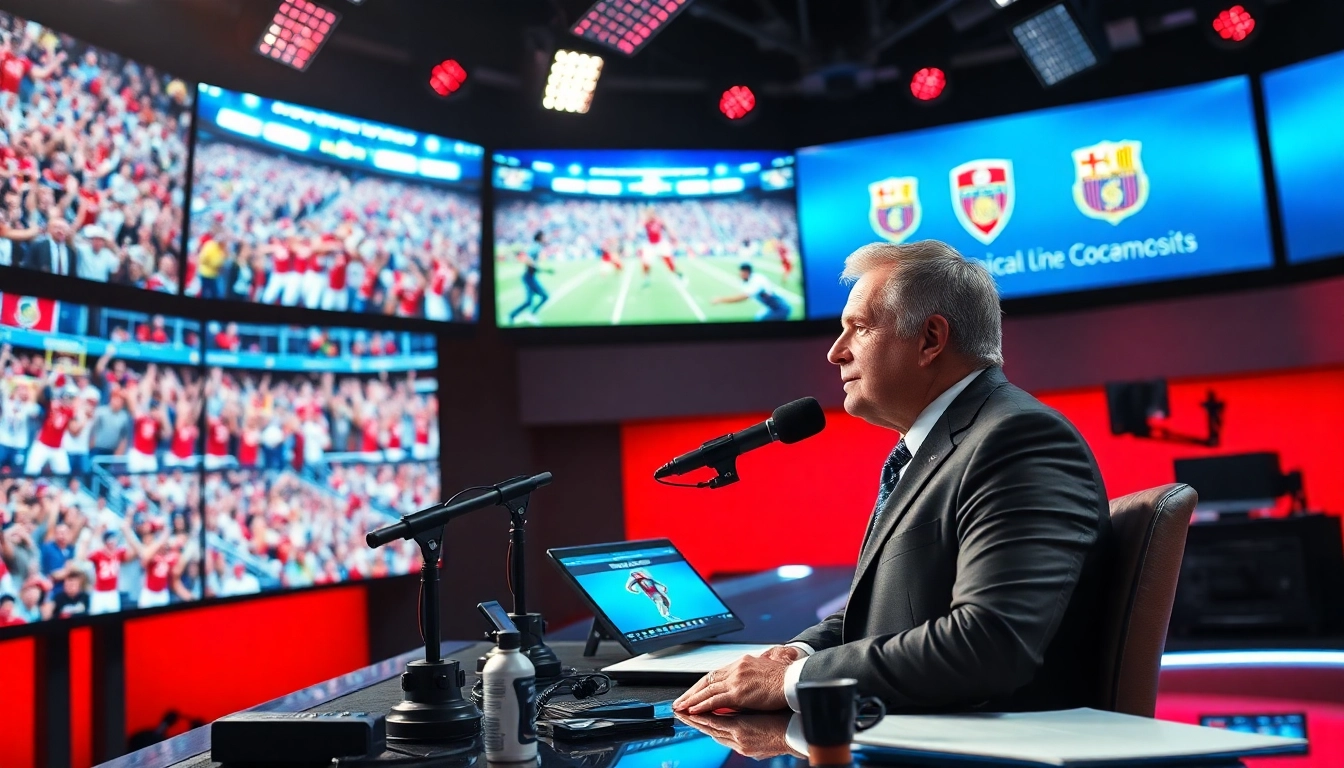
Introduction to Sports Broadcasting
Definition and Importance of Sports Broadcasting
Sports Broadcasting refers to the distribution of sports content through television, radio, and digital platforms, allowing audiences to experience live and recorded sporting events. It serves as the primary medium for fans to engage with their favorite sports, teams, and athletes. The significance of Sports Broadcasting cannot be understated; it not only connects fans with the action but also drives revenue for leagues and teams through advertising, sponsorships, and subscriptions.
Evolution of Sports Broadcasting
The journey of sports broadcasting began in the early 20th century with radio broadcasts of major games, evolving to television in the late 1930s. The introduction of cable TV in the 1980s expanded sports broadcasting significantly, allowing for dedicated sports channels and the syndication of events. The rise of the internet brought about online streaming capabilities, leading to a new era where fans can watch virtually any game live on their devices. Today, technologies such as 4K broadcast and augmented reality are poised to revolutionize the viewing experience even further.
Key Components of Sports Broadcasting
Key components of effective sports broadcasting include commentary, live coverage, graphics, and analytics. Commentary provides live narration of events, adding context and excitement. Live coverage ensures fans feel immersed in the action, while graphics, such as scoreboards and player statistics, enhance understanding and engagement. Finally, analytics plays a crucial role in presenting real-time data to help viewers connect with the game on a deeper level.
Types of Sports Broadcasting
Live Telecasts and Their Impact
Live telecasts are the cornerstone of sports broadcasting, allowing fans to experience events in real-time. This immediacy fosters a sense of community among viewers, enhancing the emotional connection to the sport. Platforms like ESPN and NBC Sports have mastered live telecasts, often featuring expert commentators and guests who provide insights that enrich the viewing experience. The psychological impact of live broadcasts encourages viewers to tune in regularly, developing loyalty towards networks and teams.
Online Streaming of Sports Events
The shift towards online streaming has transformed how audiences consume sports content. Platforms like Amazon Prime Video and YouTube have equipped fans with the flexibility to watch events on various devices, offering alternatives to traditional cable. Streaming services often provide unique features, such as virtual reality experiences or multi-angle views, enabling users to customize their viewing experience. This trend has also opened doors for smaller leagues and niche sports, who can reach global audiences without massive broadcasting budgets.
Podcasts and Sports Analysis Shows
Podcasts and analysis shows offer fans deeper insights into teams, players, and strategies. Unlike traditional broadcasts, these formats encourage in-depth discussion and analysis, often featuring interviews with players, coaches, and analysts. This immersive experience builds a stronger connection with the audience, as fans gain a 360-degree understanding of the sport and narratives surrounding it. The interactive nature of podcasts allows listeners to engage through social media or live calls, fostering a loyal community of fans.
Techniques for Effective Sports Broadcasting
Engaging Commentary Styles
Effective commentary is more than just relaying the action; it involves storytelling, emotion, and entertainment. Commentators can engage audiences by using descriptive language, developing narratives around players and teams, and injecting humor when appropriate. High-energy commentary can elevate the excitement of key moments, making them memorable for viewers. The balance between informative and entertaining commentary is crucial, ensuring audiences are not only informed but also captivated.
Utilizing Visuals and Graphics
Visual components enhance storytelling in sports broadcasting. High-quality visuals help capture the intensity of live events, while graphics provide essential information such as player stats and historical comparisons. Innovations like augmented reality allow broadcasters to display additional information without obstructing the viewing experience. Leveraging these technologies can enrich the audience’s understanding while keeping them entertained.
Incorporating Audience Interaction
Incorporating audience interaction has become increasingly important in sports broadcasting. Social media platforms allow fans to share real-time reactions and opinions, creating a dynamic dialogue between viewers and broadcasters. Polls, live chats, and Q&A sessions enable fans to participate actively, enhancing their engagement. Broadcasters can cultivate a sense of community by responding to audience feedback and using it to shape content, creating a two-way communication channel.
The Role of Technology in Sports Broadcasting
High-Definition Video and Audio Technology
High-definition video and audio technologies have revolutionized sports broadcasting, delivering clearer images and better sound quality. Innovations such as 4K and 8K resolution, along with spatial audio systems, create immersive experiences for viewers. Enhanced technologies not only improve individual viewing experiences but also allow broadcasters to showcase more intricate details of gameplay and player movements, enriching the audience’s enjoyment.
Broadcasting Software and Tools
Advanced broadcasting software and tools play a critical role in modern sports transmission. Live scoreboard management, data graphics generation, and instant replay systems enhance the quality of broadcasts. Tools such as augmented reality graphics help illustrate complex plays and tactics in a way that’s easily digestible for viewers. Adopting these technologies helps broadcasters maintain a competitive edge, ensuring they can deliver comprehensive and engaging content.
Future Trends in Sports Broadcasting Technology
The future of sports broadcasting technology lies in innovations like artificial intelligence, machine learning, and virtual reality. AI can improve content personalization for viewers based on their preferences, while machine learning can analyze viewer patterns and optimize broadcasts accordingly. Virtual reality offers immersive experiences that could simulate being present at the game, allowing fans to enjoy sports like never before. These advancements promise to redefine engagement in sports broadcasting.
Performance Metrics in Sports Broadcasting
Measuring Audience Engagement
Measuring audience engagement is crucial for understanding the effectiveness of sports broadcasting. Metrics such as viewership ratings, social media interactions, and time spent watching are vital indicators. Viewer feedback through surveys and polls can also provide qualitative insights into audience preferences and experiences. By analyzing these data points, broadcasters can tailor content to maximize engagement and retention.
Analytics for Broadcast Performance
Analytics has transformed how sports broadcasters evaluate performance. By utilizing data analytics tools, networks can assess viewer behavior, demographic trends, and even the effectiveness of specific segments. This data enables broadcasters to make informed decisions on scheduling, content creation, and promotional strategies aimed at increasing audience connection. Understanding which elements resonate with viewers can significantly enhance broadcast quality.
Case Studies on Successful Sports Broadcasting
Successful sports broadcasting case studies often highlight innovative approaches that result in high engagement levels. An example is a major sports network’s effort to integrate interactive features, such as real-time audience polls during broadcasts. This tactic allowed fans to vote on moments they wanted to see again, driving engagement and creating a sense of participation in the viewing experience. Drawing lessons from such case studies can inspire new strategies for broadcasters to implement.
FAQs on Sports Broadcasting
What is the relevance of sports broadcasting?
Sports broadcasting keeps fans connected to their favorite teams and enhances the viewing experience, providing critical analysis and context during events.
How has technology changed sports broadcasting?
The rise of the internet and streaming services has expanded access and improved viewing options, allowing audiences to enjoy sports content on various devices.
What techniques enhance sports broadcasting?
Engaging storytelling, creative visuals, and interactive components elevate the viewer experience, making broadcasts more enjoyable and informative.
What are the performance metrics used in sports broadcasting?
Metrics include viewership ratings, audience engagement levels, and social media interactions, all essential for assessing broadcast effectiveness.
How can I start a career in sports broadcasting?
Gaining experience through internships, developing broadcasting skills, and networking are crucial steps for anyone aspiring to enter the field of sports broadcasting.