
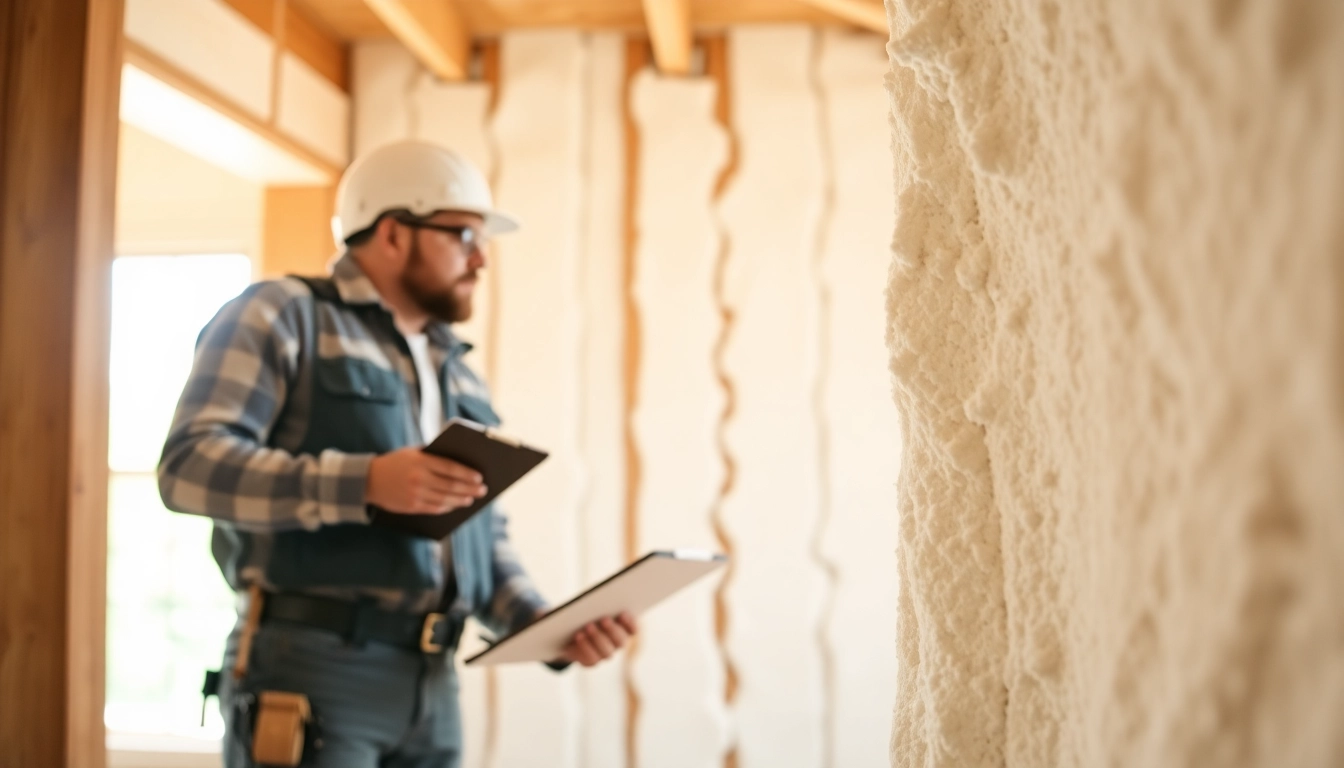
What Are Spray Foam Mortgage Problems?
Definition and Overview
Spray foam insulation has gained popularity as a high-performance insulation solution, but its integration into built environments can pose significant challenges regarding financing and mortgage approval. spray foam mortgage problems refer to the potential issues that may arise when homeowners attempt to secure funding for properties with spray foam insulation, negatively impacting their ability to refinance, sell, or obtain insurance for the property.
Common Issues Identified
Among the common problems linked to spray foam insulation and mortgages are:
- Appraisal Issues: Appraisers may devalue the home due to the questionable quality of spray foam installation or concerns about its longevity.
- Lender Concerns: Many lenders may be hesitant to finance a property with spray foam insulation, fearing future problems such as moisture damage or structural integrity issues.
- Insurance Challenges: Some insurance companies might deny coverage or raise premiums for properties insulated with spray foam, based on perceived risks.
Impact on Home Financing
Spray foam mortgage problems can lead to significant financial implications. Homeowners could face delays in refinancing, reduced property values during sales, or even denial of insurance coverage. Such issues can create a ripple effect, reducing overall marketability and increasing costs associated with repairs or modifications.
Why Do Spray Foam Mortgage Problems Occur?
Poor Installation Practices
One of the leading causes of spray foam mortgage problems stems from inadequate installation practices. If applied improperly, spray foam can lead to poor adhesion, gaps, or voids, allowing air and moisture infiltration. Over time, these deficiencies can result in structural damage that concerns financiers and appraisers alike.
Material Quality Concerns
The quality of the spray foam insulation itself plays a crucial role in determining potential mortgage problems. Lower-grade insulation may degrade faster, leading to problems such as off-gassing, which can negatively impact indoor air quality. Lenders are cautious when they detect cheap materials, fearing that properties might experience significant performance issues over time.
Regulatory Compliance Issues
Failing to adhere to local building codes and regulations can further exacerbate issues with spray foam insulation. Any non-compliance could result in substantial fines or expensive remedial work, thus diminishing a property’s appeal to lenders and buyers. It’s essential to consult professionals who understand local building codes during the installation process to mitigate these risks.
How to Identify Spray Foam Mortgage Problems
Inspection Techniques
Identifying spray foam mortgage problems early involves developing a thorough inspection routine. Homeowners should consider engaging professional inspectors specializing in insulation to detect any anomalies caused by poor installation, subpar materials, or regulatory issues. A detailed assessment can highlight problem areas and potential code violations.
Common Signs of Trouble
There are several indicators that may hint at underlying problems with spray foam insulation:
- Unpleasant Odors: Persistent chemical smells may indicate off-gassing, which can be detrimental to health and property value.
- Mold Growth: Black spots on walls or ceilings may signify moisture retention and mold growth beneath the insulation.
- Temperature Inconsistencies: Areas of the house where the temperature does not match the rest of the home may suggest insulation failures.
Involving Professionals
Considering complex technicalities, homeowners should engage certified professionals for assessments. Professionals can inspect the installation quality, analyze the materials used, and ensure all regulatory standards are met. Ensuring that experts are involved early may save considerable time and expense in the long run.
Resolving Spray Foam Mortgage Problems
Corrective Measures
Once spray foam mortgage problems are identified, homeowners should pursue necessary corrective measures immediately. Depending on the nature of the issue, this may involve reapplying insulation, upgrading materials to compliant standards, or remediating any water damage caused by deficiencies.
Legal and Financial Remedies
If homeowners face significant challenges due to faulty installation or non-compliance, they may need to explore legal options. This can include seeking compensation from contractors for damages caused by inadequate workmanship. Consulting with legal experts in real estate or contract law can outline a homeowner’s rights and potential remedies.
Preventive Strategies
Preventing future issues involves being proactive. Homeowners should ensure they select experienced and reputable contractors specialized in spray foam insulation. This can minimize the risk of poor installation and future mortgage problems. Regular inspections and maintenance can also help identify issues in their infancy, leading to prompt resolution.
FAQs About Spray Foam Mortgage Problems
What are the common signs of spray foam mortgage problems?
Common signs include unpleasant chemical odors, mold growth, and temperature inconsistencies within the home.
Can you fix spray foam errors without extensive repairs?
In some cases, minor application issues can be corrected without major renovations, but severe problems may require reinstallation of insulation.
Do lenders consider spray foam insulation in home appraisals?
Yes, lenders often evaluate the quality of spray foam insulation during appraisals, which can impact the overall value of the property.
Is spray foam insulation worth the investment?
While upfront costs may be higher, effective spray foam insulation can lead to significant long-term savings in energy costs and improved comfort.
What are the risks of ignoring spray foam mortgage problems?
Ignoring these problems can lead to decreased property value, difficulties securing financing or insurance, and more extensive repairs down the line.