
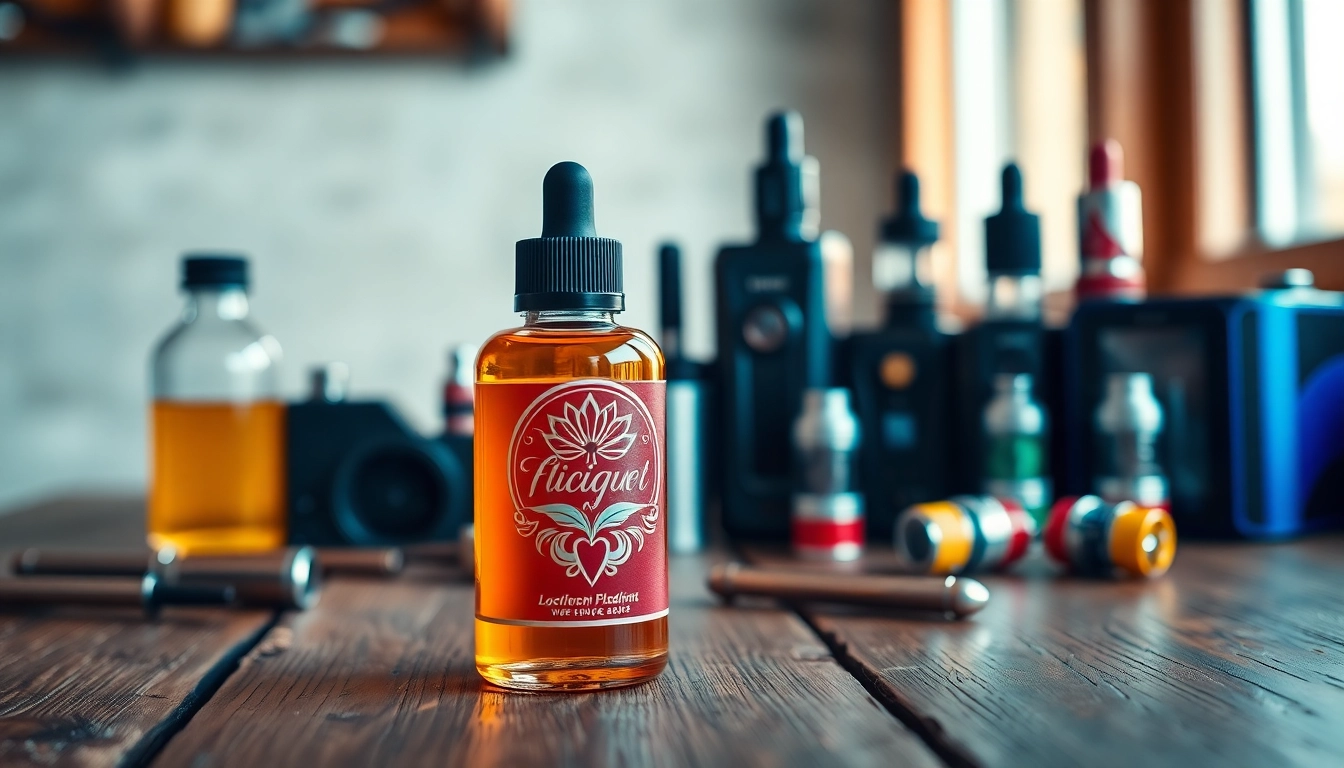
Understanding Vape Juice Basics
Vape juice, also known as e-liquid or e-juice, is a liquid used in electronic cigarettes (e-cigarettes) and vaping devices. Its primary component vaporizes when heated, creating the aerosol inhaled by the user. The world of vape juice has rapidly evolved, providing consumers with a plethora of choices, from flavors to nicotine levels. With a blend of composition and technology, Vape Juice has transformed the way many people approach smoking alternatives and flavor enjoyment.
What is Vape Juice?
Vape juice is a fluid formulated specifically for vaping. Unlike traditional tobacco products, vape juice does not contain tobacco. Instead, it is comprised of various ingredients that create a distinct flavor profile when vaporized. Users enjoy it in various devices, from vape pens to sophisticated box mods.
Ingredients in Vape Juice
The principal ingredients in vape juice typically include:
- Propylene Glycol (PG): This synthetic compound is a common base for vape juice, known for its thin consistency and ability to carry flavors and nicotine effectively.
- Vegetable Glycerin (VG): A thicker liquid that produces dense vapor clouds. VG is derived from plant oils and lends sweetness to e-liquids.
- Flavorings: Various food-grade extracts and synthetic flavoring agents are added to give vape juice its distinctive flavors, ranging from fruity to dessert-like.
- Nicotine: Available in various strengths, nicotine is entirely optional in vape juice formulations. For those looking to replicate the sensation of traditional smoking, it is often included.
How Vape Juice Works with Devices
The functionality of vape juice is intrinsically linked to electronic devices designed for vaping. When a user activates an e-cigarette or a vape mod, the device heats the vape juice. This process causes the liquid to atomize, converting it into an aerosol that can be inhaled. Depending on the device’s technology, users can customize their experience through wattage settings, temperature control, and airflow adjustments, enhancing the overall flavor and vapor production.
Exploring Popular Vape Juice Flavors
The diversity of vape juice flavors available is one of the most appealing aspects for consumers. Vapers can find flavors to suit every palate, from classic tastes to innovative concoctions. Here are some popular flavor categories:
Classic Tobacco and Menthol
This category appeals to traditional smokers and those looking to mimic the experience of tobacco use. Classic tobacco flavors may include various blends, from rich and bold to smooth and mild. Menthol options provide a refreshing twist, often featuring a combination of cool menthol notes with the tobacco base. Together, these flavors offer a familiar taste that eases the transition for those moving away from traditional cigarettes.
Fruity and Dessert Options
Fruity flavors dominate the vape juice market, offering vibrant profiles like watermelon, berry blends, tropical fruits, and apple pie. Dessert options, including vanilla custard, chocolate fudge, and caramel cheesecake, provide indulgent experiences that satisfy the sweet tooth. The layering of these flavors can create complex vaping experiences, ideal for those who enjoy experimenting with their tastes.
Unique Flavor Combinations
Innovative flavor crafting has led to unique combinations that set the vaping community abuzz. Examples include mixes like mint chocolate chip, cotton candy, and even savory flavors like pizza. These creative blends encourage users to explore beyond conventional flavors, turning the act of vaping into a full-blown sensory adventure.
Selecting the Right Vape Juice
Choosing the right vape juice can feel overwhelming, given the vast array of options. Here are essential factors to consider when making your selection:
Consider Flavor Preferences
Understanding personal flavor preferences is crucial to selecting the right vape juice. Experimentation can be beneficial; consider starting with smaller bottles or sampler packs to discover which flavors resonate with you. Keep in mind that taste can also vary based on the device used and settings activated.
Assessing Nicotine Strengths
Nicotine strength is a key consideration when selecting vape juice. Available in varying concentrations, nicotine levels cater to different preferences, from high-strength options for heavy smokers to zero-nicotine formulations for those who simply enjoy the flavors. It’s valuable to assess your prior smoking habits to determine the right strength, allowing for a smoother transition.
Understanding PG/VG Ratios
The ratio of PG to VG significantly impacts a vaping experience. A higher VG concentration provides denser vapor and a smoother throat hit, making it ideal for cloud chasers. Alternatively, higher PG ratios produce a stronger throat hit and more flavor intensity, suitable for those favoring rich tastes and traditional sensations. Users should consider their device’s specifications to ensure compatibility with their chosen PG/VG ratio.
Safety and Quality in Vape Juice Production
As the vaping industry matures, safety and quality control remain paramount. Here are critical aspects to ensure consumer safety and satisfaction:
Choosing Trusted Brands
Selecting reputable brands is vital in ensuring you’re using vape juice made from high-quality ingredients. Established brands often provide comprehensive transparency about their ingredient sourcing and production practices. Look for companies that prioritize third-party testing or have accessible lab reports available for public review.
Recognizing Quality Certifications
Quality certifications from recognized health and safety organizations can provide additional assurance of product integrity. Certifications like ISO and GMP indicate that manufacturing processes adhere to specified safety and quality controls. It’s advisable to seek out vape juices that are certified, demonstrating a commitment to consumers’ health and protection.
Common Safety Concerns
Safety concerns with vape juice typically revolve around nicotine addiction and toxic exposure. Ensuring that products are free from harmful additives and complying with regulations can mitigate these risks. It’s also crucial for consumers to store their vape juices securely, particularly out of reach of children and pets, to avoid accidental ingestion. A simple review of the ingredient list can also reveal any allergens or unwanted components.
Staying Updated on Vape Juice Trends
The ever-changing landscape of vaping means that keeping abreast of industry trends is essential for enthusiasts. Here are some avenues to explore:
Industry Innovations
Advancements in vape technology lead to exciting new products and features. Innovations include pod systems designed for portability and ease of use, alongside high-tech mods offering customizable options. Following industry blogs and publications can provide insights into emerging technologies and products as they hit the market.
Community Feedback and Reviews
The vaping community is rich with personal experiences and insights. Engaging in forums, social media groups, and review sites can help you gauge consumer sentiment regarding new flavors or products before making a purchase. The collective knowledge available can enhance the decision-making process, keeping you informed about the latest must-try options.
Future of Vape Juice
The future of vape juice is anticipated to focus on sustainability and natural ingredients, responding to consumer preferences for health-driven choices. As regulations evolve globally, transparency and ethical practices are likely to be at the forefront, shaping product development. Staying well-informed on these trends ensures that users can adapt to changes and continue enjoying their vape experiences.
FAQs about Vape Juice
1. What is the best nicotine strength for beginners?
Beginners often find 3mg to 6mg nicotine strength suitable, particularly if they are transitioning from smoking. Starting with lower strengths and adjusting based on personal preference can facilitate a smoother journey.
2. Can I create my own vape juice?
Yes, many enthusiasts enjoy DIY approaches to vape juice, using kits and ingredients to mix flavors and nicotine levels. Proper safety precautions and knowledge about ingredients are essential for this process.
3. Are there age restrictions on purchasing vape juice?
Yes, regulations typically require users to be at least 18 or 21 years of age to purchase vape products, including vape juice, depending on local laws.
4. How long does vape juice last once opened?
Vape juice can last several months to up to two years if stored correctly, away from heat and light. However, it’s essential to check for changes in smell or taste before use.
5. Are all vape juices gluten-free?
Most vape juices are gluten-free, as they primarily consist of PG, VG, flavoring, and nicotine. However, it’s advisable to check ingredient labels for assurance.