
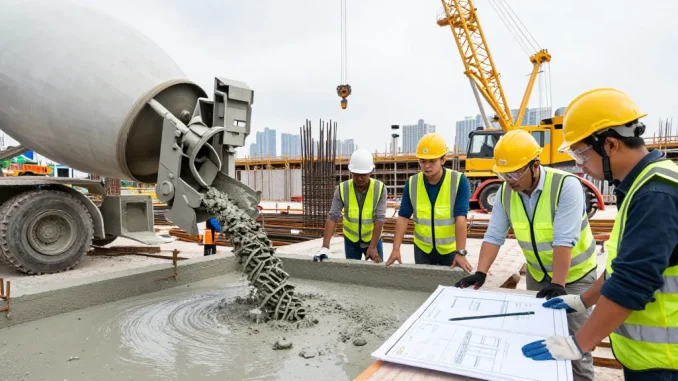
Understanding NAGA2000 and Its Importance in Construction
NAGA2000 is poised to revolutionize the construction industry with its advanced capabilities. As a key material in modern building projects, it offers numerous benefits that enhance structural integrity and efficiency. With the ongoing evolution of construction technologies, understanding NAGA2000 becomes increasingly vital for industry professionals. By leveraging its unique properties, builders can improve project outcomes and address common challenges in construction. When exploring options, NAGA2000 provides comprehensive insights into the innovative solutions available in today’s market.
What is NAGA2000?
NAGA2000 is a state-of-the-art construction material primarily used in concrete applications. Known for its high durability and resistance to environmental stressors, it is engineered to meet the increasing demands of urban development. This material is made through a specialized process that incorporates advanced additives, significantly enhancing traditional concrete’s physical and chemical properties. Its formulation allows for easier application and greater flexibility in various construction contexts, making it an essential choice for contractors seeking reliable materials.
Key Benefits of Implementing NAGA2000
- Enhanced Durability: NAGA2000 exhibits superior resistance to cracking, moisture, and thermal fluctuations, promising long-lasting performance.
- Improved Workability: The material’s unique properties allow for smoother mixing and application, facilitating more efficient construction processes.
- Cost-Effectiveness: By reducing the need for repairs and maintenance, NAGA2000 ultimately leads to lower lifecycle costs for construction projects.
- Environmental Benefits: NAGA2000 can also be formulated to include recycled materials, supporting sustainable building practices.
Common Misconceptions About NAGA2000
Despite its advantages, misconceptions about NAGA2000 persist. Some professionals may underestimate its potential due to a lack of familiarity, while others conflate it with standard concrete mixtures. It’s essential to clarify that NAGA2000 is engineered for specific applications, and its benefits are substantial when implemented correctly. Moreover, understanding its properties will help dispel myths regarding its performance and usability in demanding construction environments.
Identifying Common Errors in NAGA2000 Projects
Typical Mistakes Made During Project Planning
Effective project planning is crucial to the successful implementation of NAGA2000. Common errors during this phase include inadequate material assessment, overlooking site-specific requirements, and failing to involve all stakeholders early in the decision-making process. These mistakes can lead to costly delays and misallocated resources, emphasizing the need for thorough planning and coordination.
Execution Pitfalls and Their Impact
During the execution phase, teams may encounter pitfalls such as improper mixing ratios, ignoring environmental conditions, or insufficient training on NAGA2000 applications. Each of these errors can compromise the quality of the final output, resulting in structural failures or increased maintenance costs. A proactive approach that includes regular training sessions and adherence to guidelines can mitigate these risks effectively.
Assessment Errors Related to Concrete Quality
Post-execution assessments are critical in determining the quality of NAGA2000 installations. Common errors include failing to conduct comprehensive tests on the cured product or misinterpreting the results of quality control measures. Implementing a robust quality assurance framework can greatly enhance the reliability of assessments and ensure compliance with industry standards.
Best Practices for NAGA2000 Implementation
Effective Planning Strategies
To maximize the benefits of NAGA2000, effective planning strategies are essential. Start by conducting thorough research to understand the specific needs of your project. Engage with stakeholders, including architects and engineers, to ensure that everyone is aligned on project goals and expectations. Additionally, creating a material schedule can streamline the procurement process and prevent delays.
Optimal Resource Management Techniques
Resource management is another critical component of successful NAGA2000 implementation. Optimize labor by training teams on specific application methods and adjusting schedules to align with environmental conditions. Utilize advanced project management tools to track material usage, labor hours, and overall project timelines effectively. This will facilitate better decision-making and enhance project outcomes.
Safety Protocols and Compliance Essentials
Safety cannot be overlooked when working with construction materials such as NAGA2000. Establish clear safety protocols to manage risks associated with handling and application. Ensure compliance with local and national regulations regarding material use, and prioritize training for your team on safe handling practices. Regular safety audits will help maintain a secure working environment.
Real-World Examples of NAGA2000 Successes
Case Study: Urban Development using NAGA2000
One noteworthy example of NAGA2000’s application is in the urban development of a new mixed-use facility in San Francisco. By utilizing NAGA2000, the project achieved significant time savings and improved structural performance. The adaptability of the material allowed for innovative architectural designs, showcasing its potential in modern construction.
Lessons Learned from Failed Projects
Conversely, several projects have underscored the risks of improper NAGA2000 implementation. For instance, a bridge project faced structural challenges due to incorrect mixing ratios and poor planning. Post-project analysis revealed that a lack of training for the construction team was a significant contributor to the failure. These lessons highlight the importance of ongoing education and adherence to best practices to avoid similar pitfalls.
Innovative Applications of NAGA2000 in Modern Engineering
NAGA2000 is not just limited to conventional uses; innovative applications continue to emerge. One example is its integration into green building projects, where it is used in combination with eco-friendly materials to create sustainable structures. Moreover, researchers are exploring how NAGA2000 can be adapted for 3D printing applications, paving the way for futuristic construction methods.
Future Trends and Developments in Construction Technology
Emerging Technologies Enhancing NAGA2000
Looking ahead, emerging technologies such as AI and machine learning are expected to reshape how NAGA2000 is utilized. These technologies can optimize mixing processes and predictive maintenance, enhancing the overall effectiveness of NAGA2000 projects. Additionally, advancements in material science may lead to even more resilient formulations of NAGA2000.
Predicted Industry Changes by 2026
By 2026, the construction industry is anticipated to see significant changes driven by the adoption of smart technologies. Increased automation in construction sites, coupled with improved material science, will enhance the efficiency of NAGA2000 usage. Businesses that stay ahead of these trends will not only improve their project outcomes but also their competitive stance in the market.
The Role of Sustainability in Future Projects
The push toward sustainability will continue to influence NAGA2000 applications. As regulations around environmental impact become stricter, the use of eco-friendly formulations of NAGA2000 will be essential. Projects that prioritize sustainable practices will likely advocate for greener alternatives, aligning with global initiatives aimed at reducing carbon footprints in construction.
What common mistakes should I avoid with NAGA2000?
Avoiding common mistakes is crucial for successful NAGA2000 application. Ensure rigorous training for all personnel, emphasize accurate material assessments, and prioritize ongoing communication among project teams.
How can I implement NAGA2000 effectively?
Implementing NAGA2000 effectively involves thorough planning, continuous learning, and close attention to quality control. Engage experts in the material early and incorporate their insights into your project planning.
What safety measures are necessary with NAGA2000?
Prioritize safety by establishing clear protocols for handling NAGA2000. Regular training sessions and audits can help maintain a safe working environment for all personnel involved.
Are there specific tools recommended for NAGA2000 projects?
Quality control and project management tools tailored for NAGA2000 applications are highly recommended. These facilitate tracking material usage and compliance with safety regulations.
How can I track the success of my NAGA2000 implementation?
Tracking success can be achieved through comprehensive project assessments, quality control measures, and ongoing audits. Regular updates and performance reviews will help identify areas for improvement.