Understanding TradingView's Core Features
TradingView has revolutionized the way traders and investors analyze market data. Serving as a multi-market platform, it integrates real-time data, professional-grade charts, and customizable alerts, all accessible from any device. This seamless approach not only enhances the trading experience but also delivers analytical tools that are essential for making informed decisions. When exploring options, TradingView provides comprehensive insights that cater to both novice and experienced traders.
What is TradingView and Who Can Use It?
TradingView is an online platform designed to cater to various market participants, including individual traders, institutional investors, and financial analysts. With features built for stock market analysis, cryptocurrency tracking, Forex trading, and more, it accommodates a wide demographic. Whether you’re a day trader seeking real-time data or a long-term investor looking for comprehensive market insights, TradingView offers tools optimized for your needs. Additionally, its user-friendly interface ensures that even those new to trading can navigate its functionalities with ease.
Key Functionalities of TradingView
TradingView boasts an array of functionalities that empower users to conduct in-depth analyses. Key features include:
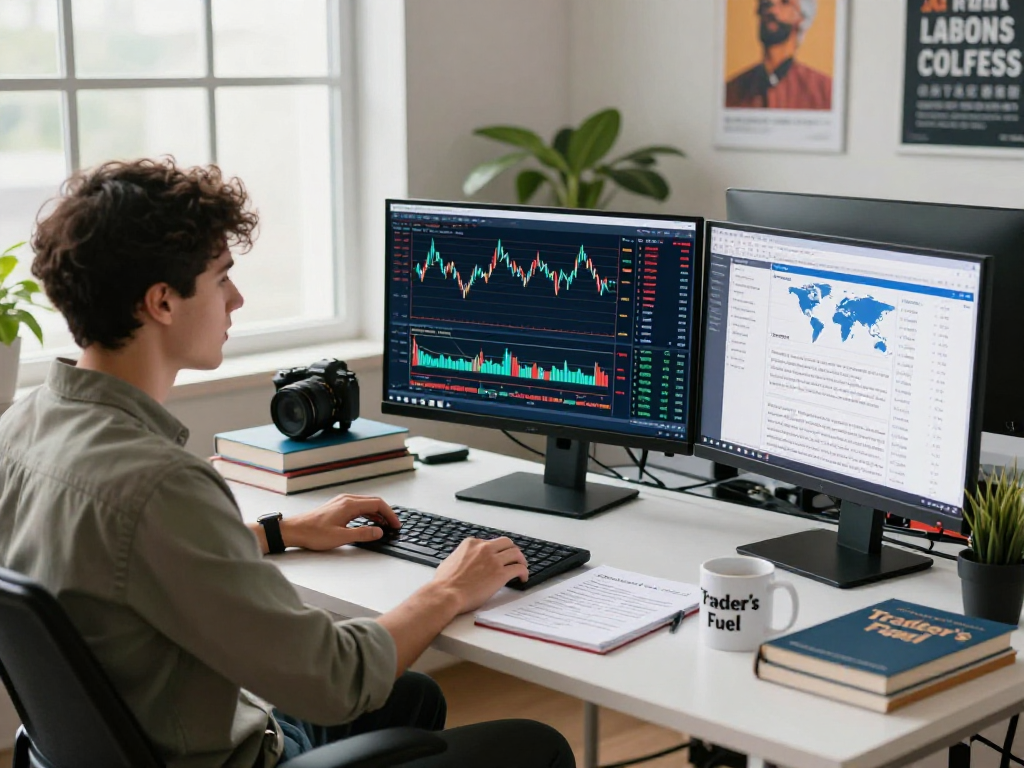
- Advanced Charting: Users can access a multitude of chart types, time scales, and technical indicators to visually represent market trends.
- Custom Alerts: Set alerts for price movements or technical conditions, significantly reducing the time spent monitoring markets.
- Market Scanners: Efficiently filter and scan through various markets to identify potential trading opportunities.
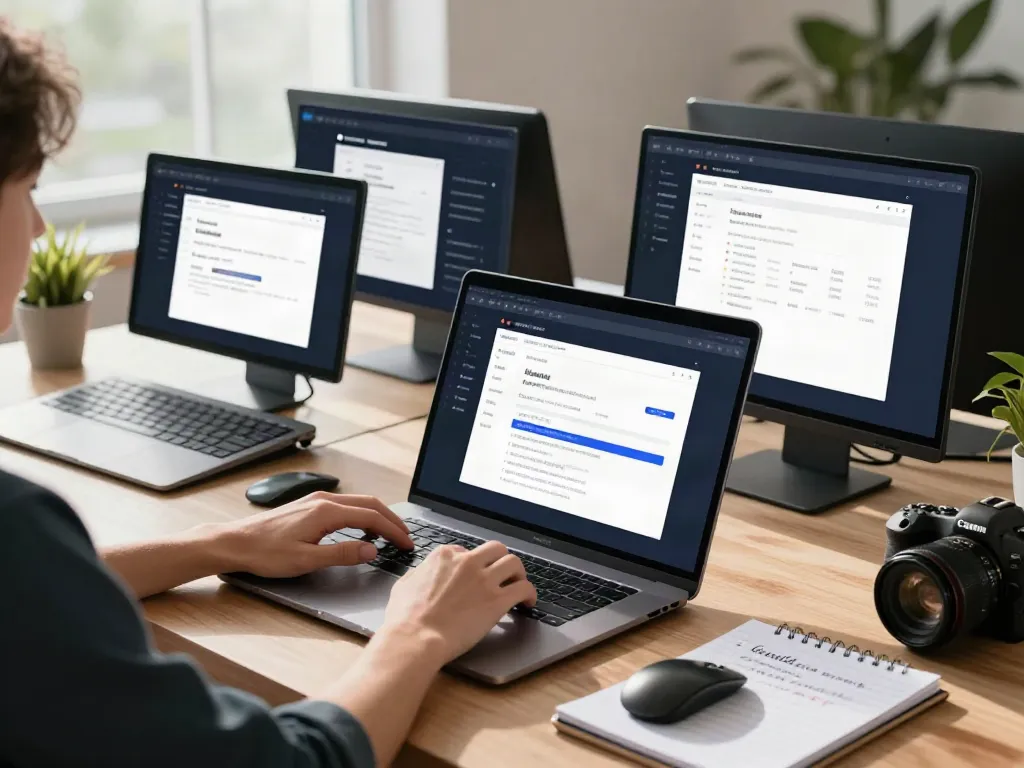
- Multi-Device Accessibility: Trade from any location using a desktop, tablet, or mobile device, with settings synchronized across platforms.
Benefits of Multi-Device Access with TradingView
One of the standout features of TradingView is its multi-device access, which allows users to maintain productivity regardless of their location. This capability is essential for modern traders who require constant access to market data. Users can easily switch between desktop and mobile versions, maintaining a continuous flow of information. The synchronization feature ensures that any alerts set or analyses conducted from one device will be reflected on another, allowing a seamless transition from work to personal time.
Mastering Chart Analysis with TradingView
How to Utilize Advanced Charting Tools
To master chart analysis on TradingView, users should familiarize themselves with the platform's various charting tools. The ability to customize charts is crucial; you can select different chart types such as candlestick, line, or area, depending on your trading style. Users can also overlay multiple indicators—like Moving Averages and Bollinger Bands—on the same chart for a more comprehensive analysis. Further, the platform offers drawing tools that allow users to annotate charts, helping to visualize patterns and potential price movements.
Recommended Indicators and Overlays for Traders
Choosing the right indicators can significantly impact trading decisions. Some recommended indicators for different trading strategies include:
- Relative Strength Index (RSI): A momentum oscillator that measures the speed and change of price movements.
- Moving Averages: Used for identifying trends; users can employ both simple and exponential moving averages.
- Bollinger Bands: Useful for assessing volatility; they help in determining overbought or oversold conditions.
These indicators, when used in conjunction with TradingView's advanced charting capabilities, can provide traders with a significant edge in market analysis.
Best Practices for Effective Technical Analysis
Effective technical analysis requires consistency and discipline. Here are some best practices:
- Stay Informed: Regularly update your knowledge of market conditions and economic indicators that may impact your trades.
- Use Multiple Time Frames: Analyze price movements across various time frames to identify potential trends and reversals.
- Develop a Trading Plan: Clearly define entry, exit, and risk management strategies to avoid emotional trading.
By establishing these practices, users can enhance their ability to make sound trading decisions based on technical indicators.
Setting Up Notifications and Alerts
Configuring Price Alerts on TradingView
Setting up price alerts in TradingView is a straightforward process that can greatly assist traders in monitoring market changes without constant observation. Here’s how to configure alerts:
- Open the chart for the asset you wish to monitor.
- Locate the alert tab, usually represented by a bell icon.
- Set the specific price or conditions for the alert. You can choose to be notified via email, SMS, or push notifications.
This configuration allows traders to react promptly to market movements, supporting more effective decision-making strategies.
Types of Alerts and Their Strategic Uses
TradingView supports several types of alerts, including:
- Price Alerts: Triggered when the price crosses a specified level.
- Technical Alerts: Activated when indicators reach predefined conditions, such as when RSI exceeds 70 or falls below 30.
- Watchlist Alerts: An alert system that keeps track of assets in your watchlist for changes in price or other conditions.
These alerts can help traders stay informed about key price movements and market conditions, allowing them to make timely decisions.
How Alerts Reduce Monitoring Time
The alert system in TradingView is specifically designed to alleviate the burden of continuous price monitoring. Instead of spending hours glued to charts, traders can focus on other tasks and receive notifications for significant changes. This efficiency allows users to dedicate more time to analyzing trade strategies and improving their overall trading performance.
Enhancing Your Trading Workflow
Integrating TradingView into Your Daily Routine
Integrating TradingView into your daily trading routine can enhance productivity significantly. Start by designating specific times for reviewing charts and analyzing market conditions. Utilizing the platform’s alert system means you can be alerted during your routine activities, ensuring you don’t miss critical market movements. Pairing your analysis with fundamental news insights will further improve your overall trading strategy.
Collaboration Features for Team Trading Success
For those trading in teams, TradingView offers collaborative features that facilitate shared analysis and insights. Users can share charts with team members, allowing for collective decision-making processes. This is particularly useful for professional trading teams that rely on real-time data sharing to strategize effectively. Using the collaborative tools available, teams can enhance performance by pooling their collective knowledge and experience.
Using Market Scanners for Opportunity Identification
Market scanners are a powerful feature within TradingView, enabling users to filter through vast amounts of data to identify potential trading opportunities. By setting specific criteria—such as price action, volume spikes, and technical indicators—traders can quickly pinpoint assets that meet their trading strategies. This capability is essential in today’s fast-paced market environment, where timely decisions can lead to significant financial advantages.
Future Trends and Updates in TradingView (2026 and Beyond)
Upcoming Features and Functional Enhancements
As technology evolves, so does TradingView. The platform is continuously integrating new features to enhance user experience. Anticipated updates include more sophisticated analytical tools, enhanced social features for community engagement, and improved mobile functionalities. Users can look forward to a more robust TradingView experience that supports advanced analytical techniques and deeper market insights.
Anticipating Market Changes and Trading Strategies
With the rise of Artificial Intelligence and machine learning in trading, it’s important to adapt strategies accordingly. Future updates in TradingView may include AI-driven analytics, which can provide predictive insights based on market patterns. Traders should stay informed about these advancements as they can significantly influence trading strategies and decision-making processes.
Expert Predictions for Trading Technology Evolution
Experts believe that trading technology will continue to advance rapidly, driven by the demand for data accuracy and speed. Innovations such as blockchain integration for transparent transactions and augmented reality for enhanced data visualization could significantly alter the trading landscape. Staying abreast of these changes will be crucial for traders who wish to remain competitive in an ever-evolving market.
What is TradingView's Pricing Structure?
TradingView offers several pricing plans, ranging from a free version with basic functionalities to premium subscriptions that unlock advanced features and data. Users should carefully evaluate their trading needs when selecting a plan. The free version is an excellent starting point for beginners, while experienced traders may benefit from the added features of paid tiers, such as extensive market data and enhanced analytical tools.
Are TradingView Alerts Really Effective?
Yes, TradingView alerts are considered highly effective for managing trades and monitoring markets. They allow traders to receive notifications based on customized criteria, ensuring that they stay updated without constant monitoring. This combination of flexibility and functionality can lead to more informed trading decisions.
Can I Access TradingView on Mobile Devices?
Absolutely. TradingView has dedicated mobile applications for both iOS and Android platforms. This mobile accessibility allows traders to manage their investments and conduct analyses on the go, which is particularly beneficial for users who are often away from their desktops.
What Types of Markets can I Analyze with TradingView?
TradingView supports analysis across a wide array of markets, including stocks, Forex, cryptocurrencies, commodities, and indices. The platform aggregates real-time data from various exchanges, empowering traders to conduct comprehensive market analyses.
Do I Need TradingView Desktop for Full Functionality?
While much of TradingView's functionality can be accessed via the web platform, utilizing the desktop version allows for enhanced features such as multiple monitor setups and advanced charting capabilities. Users who require high-frequency trading or in-depth analysis may find the desktop version advantageous, but the web and mobile versions remain robust for general use.