
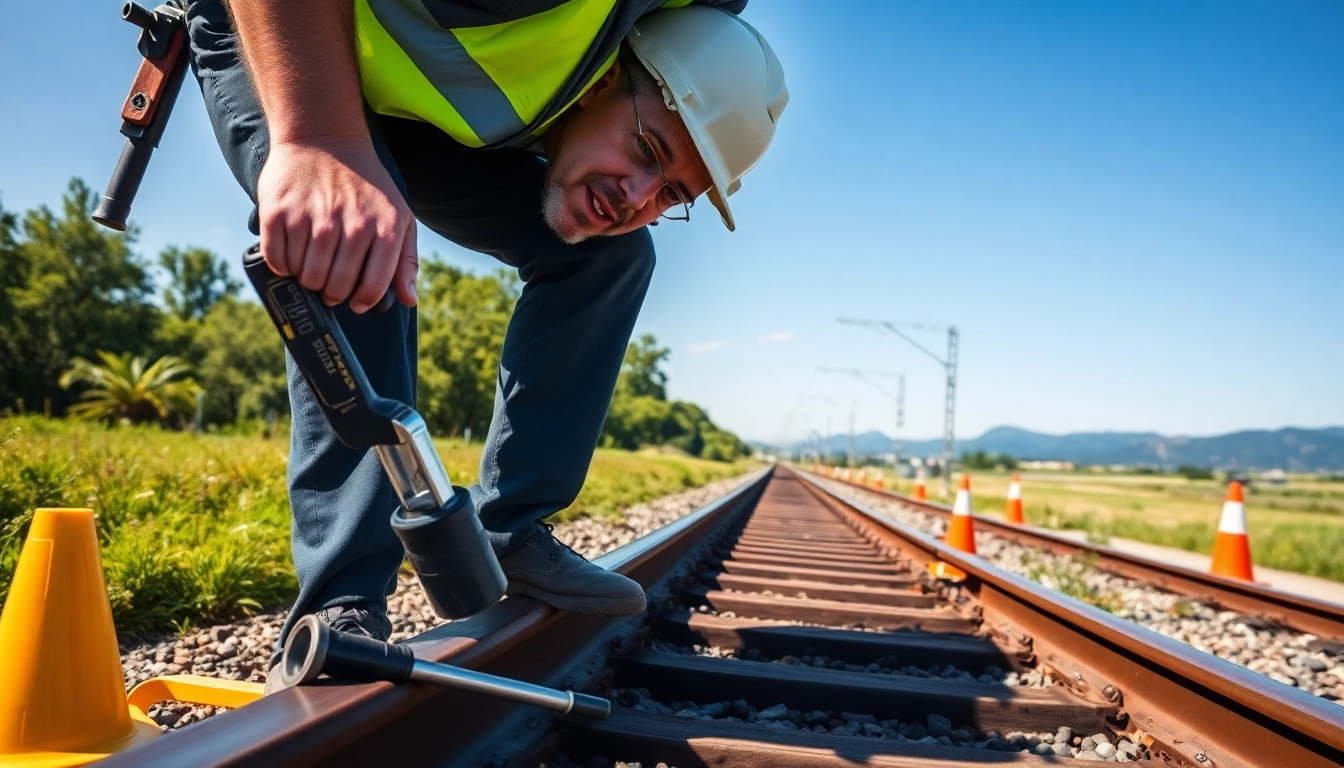
Understanding the Role of Track Inspectors Near Me
What Does a Track Inspector Do?
Track inspectors are vital to maintaining the safety and integrity of railroad systems. They are responsible for monitoring and inspecting railway tracks, switches, and related structures to ensure compliance with safety regulations. A significant part of their job involves checking for wear and damage that could compromise safety, as well as inspecting drainage systems and track alignment. Inspectors utilize various tools and technology to conduct thorough examinations, recording their findings meticulously to highlight any repairs that are needed.
Importance of Track Inspections in Railway Safety
The safety of passengers and freight is paramount in railway operations, and regular track inspections ensure that the infrastructure remains secure and reliable. It is a preventive measure against potential disasters, such as derailments caused by poorly maintained tracks. Not only does this enhance safety, but it also optimizes the operational efficiency of the trains, reducing downtime due to maintenance issues. In essence, effective track inspections contribute significantly to the overall safety culture of the railway industry.
How Track Inspectors Ensure Compliance with Regulations
Track inspectors ensure that railroads adhere to the regulatory standards set by governing bodies. They conduct their inspections in line with metrics established by organizations such as the Federal Railroad Administration (FRA). Regular audits and assessments help to maintain compliance by ensuring that any discrepancies from required regulatory standards are addressed promptly. This continual compliance monitoring is essential to reduce risks associated with railroad operations.
Key Qualifications for Track Inspectors Near Me
Educational Background and Skills Required
To become a track inspector, a high school diploma is the minimum educational requirement, although many positions prefer candidates with further education in civil engineering, construction management, or a related field. Essential skills include a strong understanding of mechanical systems, attention to detail, and proficiency in using inspection tools. Analytical thinking and problem-solving abilities are also crucial as inspectors need to assess complex situations and develop solutions efficiently.
Certifications and Ongoing Training Opportunities
Certifications play an important role in a track inspector’s career. Many organizations offer specialized certifications that enhance credibility and knowledge. Ongoing training is equally crucial to stay updated on new technologies, inspection methods, and compliance regulations. Workshops, webinars, and industry conferences provide opportunities for continual learning, which is necessary for maintaining high safety standards in the industry.
Experience in the Railroad Industry
Experience in the railroad industry is essential for aspiring Track Inspectors Near Me. Many professionals start their careers in entry-level positions, such as track maintenance workers, before transitioning to inspection roles. This hands-on experience allows them to understand the intricacies of rail infrastructure and develop a practical knowledge base that aids in their inspection efforts. Furthermore, working alongside seasoned inspectors helps new professionals gain insights and mentorship that enhance their skills.
How to Find Track Inspectors Near Me
Utilizing Online Resources and Directories
One of the most effective methods to locate track inspectors is by utilizing online resources and directories. Websites dedicated to railway services often list qualified inspectors and inspection services, allowing potential clients to search by location. Additionally, community forums and social media groups can offer leads and recommendations based on personal experiences from other industry professionals.
Asking for Recommendations from Industry Peers
Referrals and recommendations from colleagues within the railway sector can provide invaluable information on reliable track inspectors. Networking at industry events or through professional associations can connect individuals with experienced inspectors known for their expertise. Peers can also share insights into the inspection companies they’ve worked with, which can influence decision-making when selecting an inspector.
Evaluating Local Inspection Companies
When considering local inspection companies, it’s essential to evaluate their qualifications, experience, and previous client testimonials. Companies should ideally have a proven track record in successfully conducting inspections and maintaining compliance with safety regulations. Requesting case studies can provide insight into their methodologies and effectiveness. Moreover, understanding their inspection process, including tools used and post-inspection follow-up, is crucial to ensure a thorough evaluation.
What to Expect During a Track Inspection
Common Inspection Procedures and Tools Used
During a track inspection, inspectors typically perform visual assessments, non-destructive testing, and utilize advanced technologies like track geometry measuring systems and ultrasonic testing equipment. These procedures assess track alignment, gauge width, surface conditions, and check for defects in tracks, ties, and switch mechanisms. The use of specialized tools aids in efficiently identifying any issues and ensures thorough data collection for reporting purposes.
Documentation and Reporting Requirements
Documentation plays a crucial role during and after inspections. Inspectors must prepare detailed reports that outline their findings, including specific locations of issues, descriptions of defects, and recommendations for necessary repairs. These reports are essential for compliance with regulatory standards and for planning maintenance activities. Proper documentation also helps maintain a history of inspections, which can be critical for long-term infrastructure planning and budgeting.
Post-Inspection Follow-Up and Maintenance Planning
Once inspections are complete, a crucial follow-up process begins. Inspectors typically discuss their findings with maintenance teams to plan necessary repairs or interventions. This collaboration ensures that all safety issues are addressed in a timely manner, and maintenance schedules can be adjusted according to the urgency of identified problems. Creating a proactive maintenance plan based on inspection results helps enhance the longevity of the tracks and reduce operational disruptions.
FAQs About Track Inspectors Near Me
1. What is the primary function of track inspectors?
The primary function of track inspectors is to monitor and assess railroad tracks, ensuring they comply with safety standards and regulations.
2. What qualifications do I need to become a track inspector?
A high school diploma is needed, along with railroad experience and training in safety inspections to qualify as a track inspector.
3. How often should tracks be inspected?
Tracks need to be inspected regularly, often dictated by regulatory standards, to maintain safety and compliance across the network.
4. What tools do track inspectors commonly use?
Inspectors use various tools including measurement instruments, gauges, and safety equipment to perform their inspections effectively.
5. How can I find track inspectors in my area?
You can search online directories or reach out to local railroad agencies for recommendations on reliable track inspectors in your area.
Contact Information
Call Us: 1 (403) 452-4508
Email: [email protected]
Address: 3950 Fossil Creek Blvd Suite 106, Fort Worth, TX, USA 76137