The Importance of Education in Modern Society
Education is a cornerstone of modern society, playing a vital role in personal development, economic growth, and societal advancement. It is the systematic process of facilitating learning, acquiring knowledge, skills, values, and attitudes that are essential for individuals to flourish. This article explores the multifaceted importance of education, constraining the discussion to critical aspects that affect individuals and societies alike. A comprehensive understanding of Education within various contexts reveals how it influences our lives, overcome challenges, and innovate approaches that enhance learning.
Defining Education and Its Role
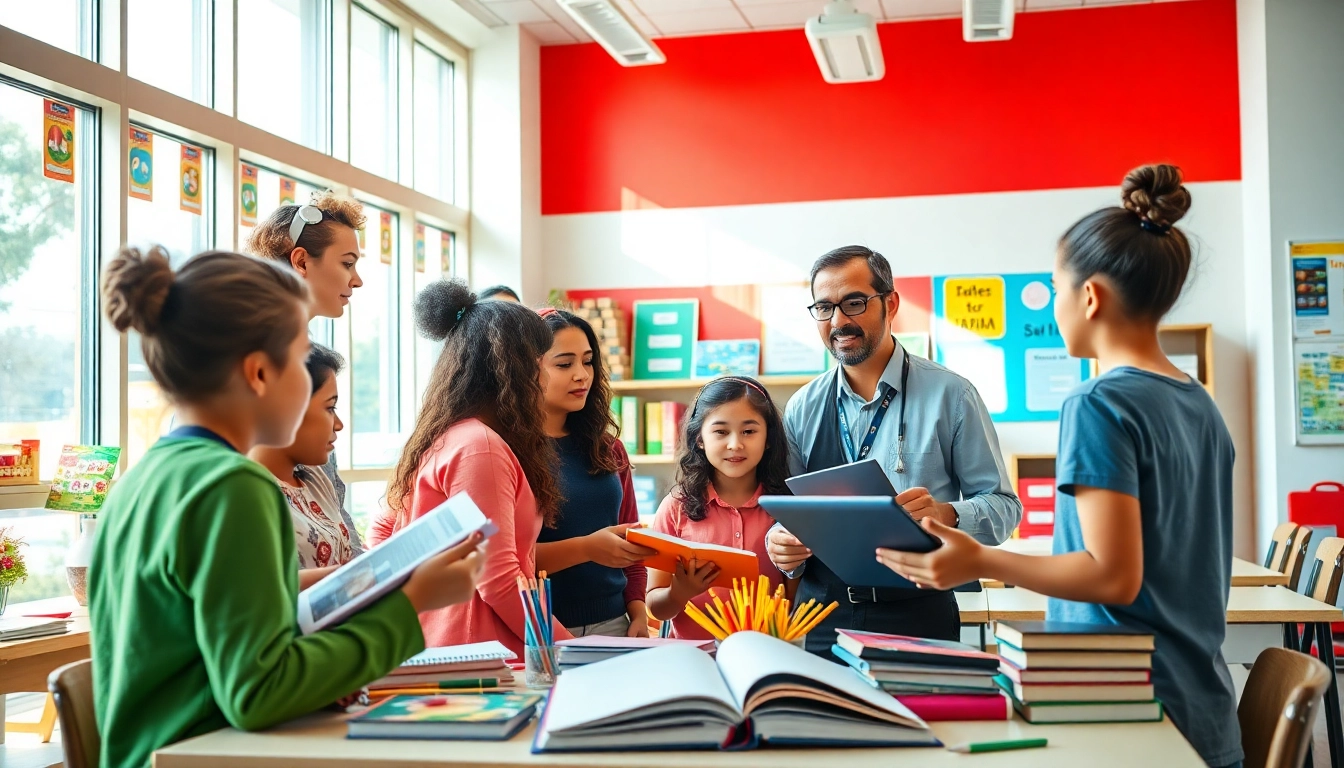
Education can be defined as a socially constructed system through which individuals receive instruction and gain knowledge, typically interfaced through institutions such as schools, colleges, or universities. Its role extends beyond mere academics; education serves as a medium to cultivate critical thinking, emotional intelligence, and social skills. It fosters a sense of belonging and social cohesion while instilling core values that enable individuals to navigate complex societal landscapes. As such, education acts not just as a tool for personal development but also as a catalyst for societal transformation.
The Impact of Education on Personal Development
Education has profound implications for personal development. It shapes an individual’s character and equips them with essential life skills. Through education, individuals learn not only about academic subjects but also about collaboration, empathy, and navigation of societal challenges. Moreover, education promotes lifelong learning—an essential attitude in an era marked by rapid technological advancement and changing job markets. The ability to learn, unlearn, and relearn has never been more vital, underscoring the role of education in facilitating adaptability and resilience.
Global Perspectives on Education
Education is universal yet diverse in its implementation, influenced by cultural, economic, and political factors unique to each region. From developed to developing countries, the challenges faced and the frameworks applied differ significantly. For instance, in many rural communities, access to education can be limited due to financial constraints or inadequate infrastructure. Conversely, urban environments may experience educational disparities caused by socio-economic stratifications. By examining these global contexts, we can visualize a more nuanced understanding of education's role in personal and societal progress, recognizing that a one-size-fits-all approach will not suffice in addressing these varied needs.
Challenges Facing Education Today
Financial Barriers to Accessing Education
One of the most significant challenges in education today is the financial barriers that prevent access. Many students face insurmountable debt, lack of funding, or insufficient resources that inhibit their learning potential. For instance, tuition fees for higher education can lead to students opting out of college altogether, impacting their job prospects and socioeconomic trajectory. Crafting equitable solutions requires collaborative policy-making aimed at offering scholarships, grants, and sustainable funding models to ensure that education remains accessible for all.
Technological Disparities in Learning Environments
With the rise of digitalization, the landscape of education has transformed dramatically, involving technology as a pivotal element in learning. However, technological disparities create a significant divide, leaving some learners ill-equipped to benefit from digital resources. Students in well-funded schools may have access to advanced technology and online learning tools while those in underfunded institutions lag behind, hindering their educational experience. Addressing these disparities involves investment in technological infrastructure and training for educators to maximize the potential of digital tools in diverse learning environments.
Societal Attitudes Towards Education
Fostering a culture that values education is crucial for its advancement. However, societal attitudes can often reflect indifference or skepticism about the efficacy of educational systems. In certain environments, there may be low expectations for educational achievement, particularly among marginalized groups. Combating this requires concerted efforts by educators, policymakers, and community leaders to highlight the importance of education as a social equalizer. Cultivating community involvement and awareness about the benefits of a robust educational system can help shift these entrenched perspectives.
Innovative Approaches to Education
Collaborative Learning Models
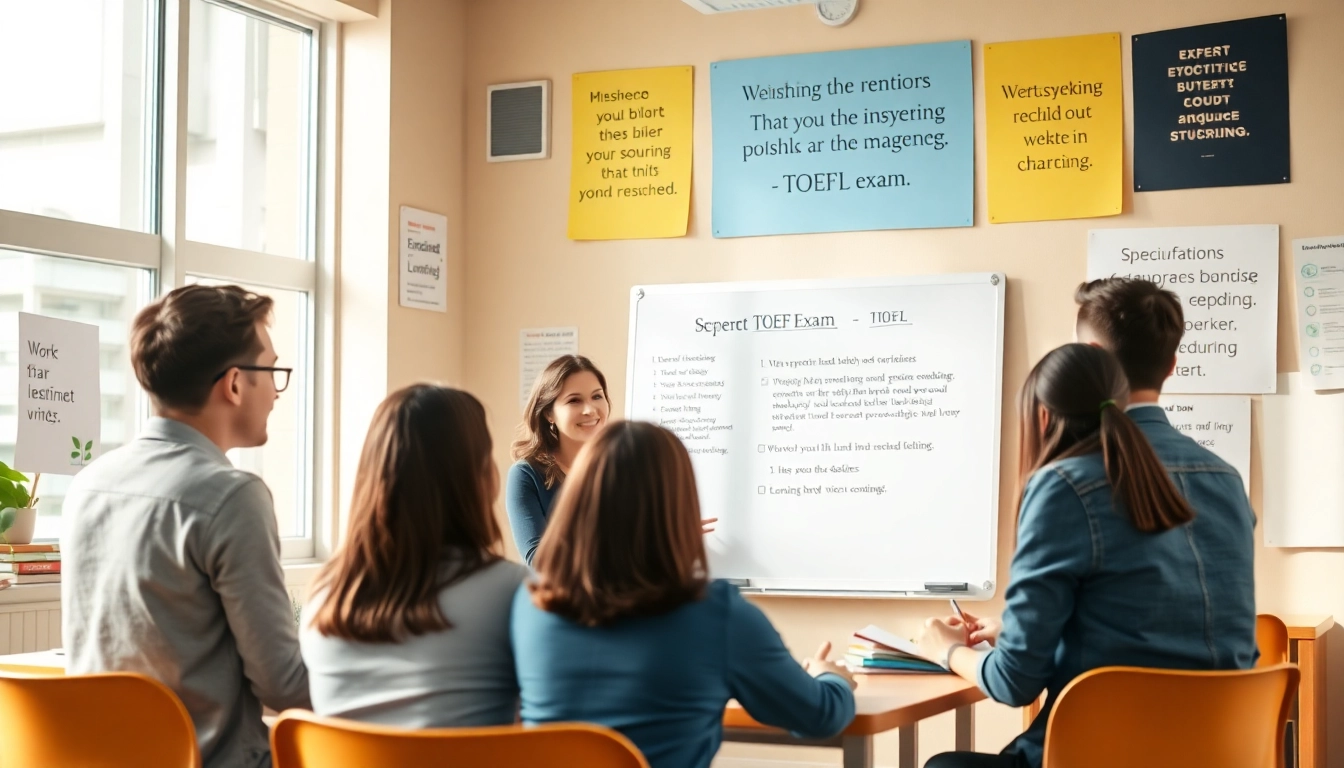
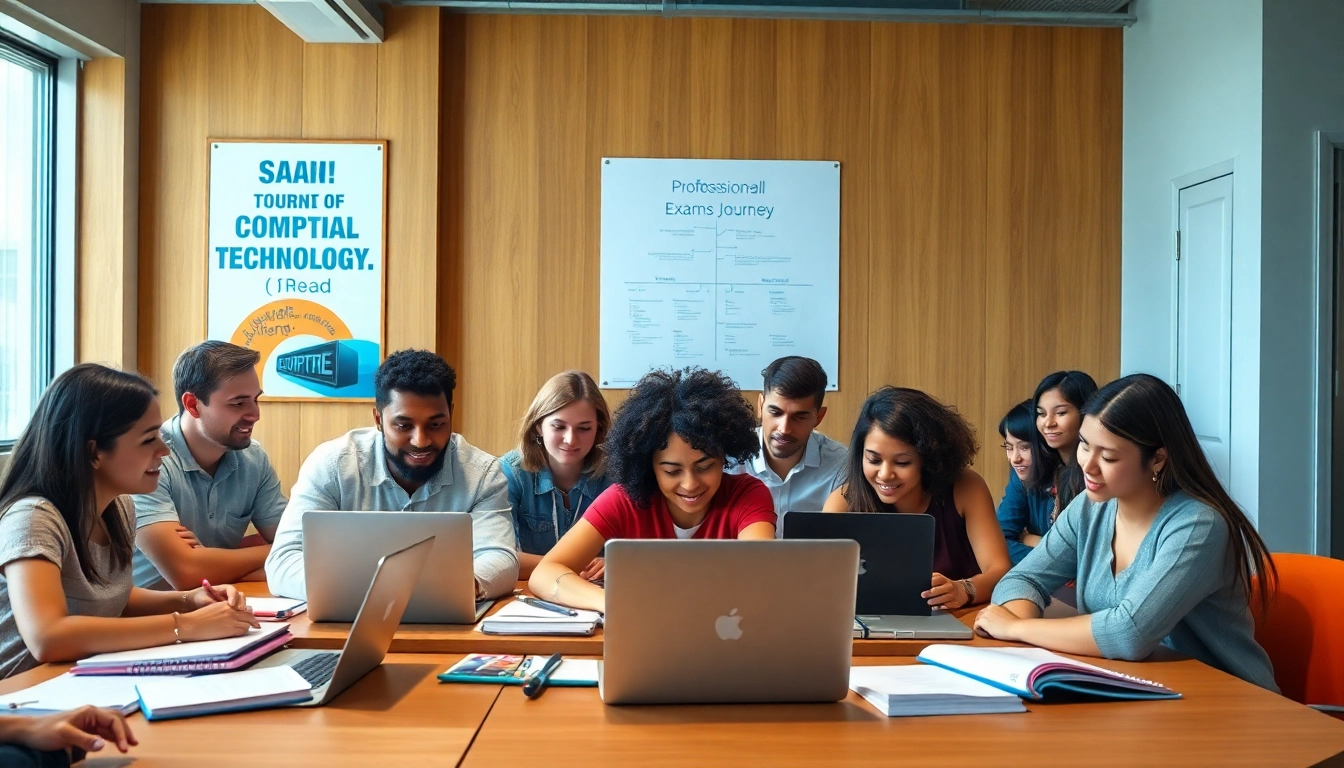
Innovative approaches in education emphasize collaborative learning as a means to enhance student engagement and comprehension. Collaborative learning involves students working together to explore concepts, solve problems, and engage in discussions that deepen their understanding. This method not only reinforces knowledge but also cultivates vital teamwork and communication skills. Schools have gotten creative by structuring classes around group projects or peer-learning workshops, encouraging students to take ownership of their education and learn from one another.
Integration of Technology in Education
The digital age has transformed the way education is perceived and delivered. Blended learning, which combines traditional in-person instruction with online components, has become increasingly popular. This model allows for flexibility in learning, accommodating diverse learning styles and paces. Tools like virtual classrooms, interactive simulations, and educational apps make learning accessible and engaging for students of all ages. Educators can leverage technology to create immersive learning experiences that foster critical thinking and problem-solving skills while ensuring that education remains relevant in an ever-evolving job market.
Personalized Learning Experiences
Personalized learning places the individual learner at the center of the educational process. By tailoring learning experiences to meet each student's needs, preferences, and interests, education becomes more meaningful and effective. Strategies can include differentiated instruction, where teachers modify their teaching approaches based on the learning capacity of students, or adaptive learning technologies that adjust to a student's progress in real-time. Emphasizing personalized learning not only enhances engagement but also promotes student agency, empowering learners to take charge of their educational journey.
Performance Metrics in Education
Evaluating Educational Outcomes
Assessing educational outcomes requires a multifaceted approach that goes beyond traditional metrics such as grades and test scores. Comprehensive evaluation considers the development of critical thinking, emotional intelligence, creativity, and social skills as integral components of learning. Tools like portfolios, peer assessments, and self-reflection activities allow educators to review student progress holistically and adjust teaching methods accordingly. These reflective practices engender a positive feedback loop, essential in cultivating an environment focused on continuous improvement.
The Role of Standardized Testing
Despite the push for a more holistic approach to evaluating educational performance, standardized testing remains a prevalent method of assessment in many educational systems. These tests are often criticized for promoting a narrow focus on rote memorization rather than critical thinking and problem-solving abilities. Furthermore, standardized tests may disproportionately disadvantage students from marginalized communities, thereby perpetuating educational inequities. The challenge lies in balancing the need for quantifiable data with the understanding that a single test cannot encapsulate the multi-dimensional nature of learning.
Feedback Mechanisms for Continuous Improvement
Implementing feedback mechanisms is essential for fostering educational accountability and improvement. Collecting feedback from students, parents, and educators helps identify areas of strength and opportunities for growth, ultimately benefiting the educational ecosystem. In addition to surveys and performance analytics, open forums and discussions can create a culture of dialogue and transparency. Regularly revising teaching methods and curricula informed by collective feedback not only enhances educational quality but also fosters a community committed to learning and growth.
Future Trends in Education
Shifts in Educational Policy and Funding
The landscape of education is undergoing rapid changes, driven by shifts in educational policy and funding. Advocacy for equitable funding models and increased resources for underserved communities is gaining momentum. Policymakers are recognizing the importance of investing in education as a fundamental driver of economic growth and social mobility. These shifts also emphasize the collaborative role of the public and private sectors in advancing educational initiatives. As educational priorities evolve, maintaining transparency and accountability in policy-making processes will be paramount in addressing the needs of diverse student populations.
Emerging Technologies Shaping Learning
Emerging technologies, from artificial intelligence to virtual reality, are beginning to reshape the educational landscape. AI-driven platforms can tailor learning experiences and offer real-time analytics to educators, improving outcomes significantly. Virtual and augmented reality presents new avenues for immersive and interactive learning that can transport students to historic events, remote ecosystems, or even the solar system. These innovations not only engage students but also bridge gaps in understanding complex subjects, fostering a deeper appreciation for diverse disciplines.
The Global Future of Education
The future of education is interconnected, transcending geographical boundaries and expanding global cooperation. Cross-cultural educational exchanges, online platforms facilitating global classrooms, and collaborative projects encourage students to engage with peers from various cultures and backgrounds. This international perspective cultivates global citizens who are culturally competent and socially aware, prepared to tackle global challenges collaboratively. As education continues to evolve, embracing a global mindset will be integral to fostering understanding, peace, and collective progress.