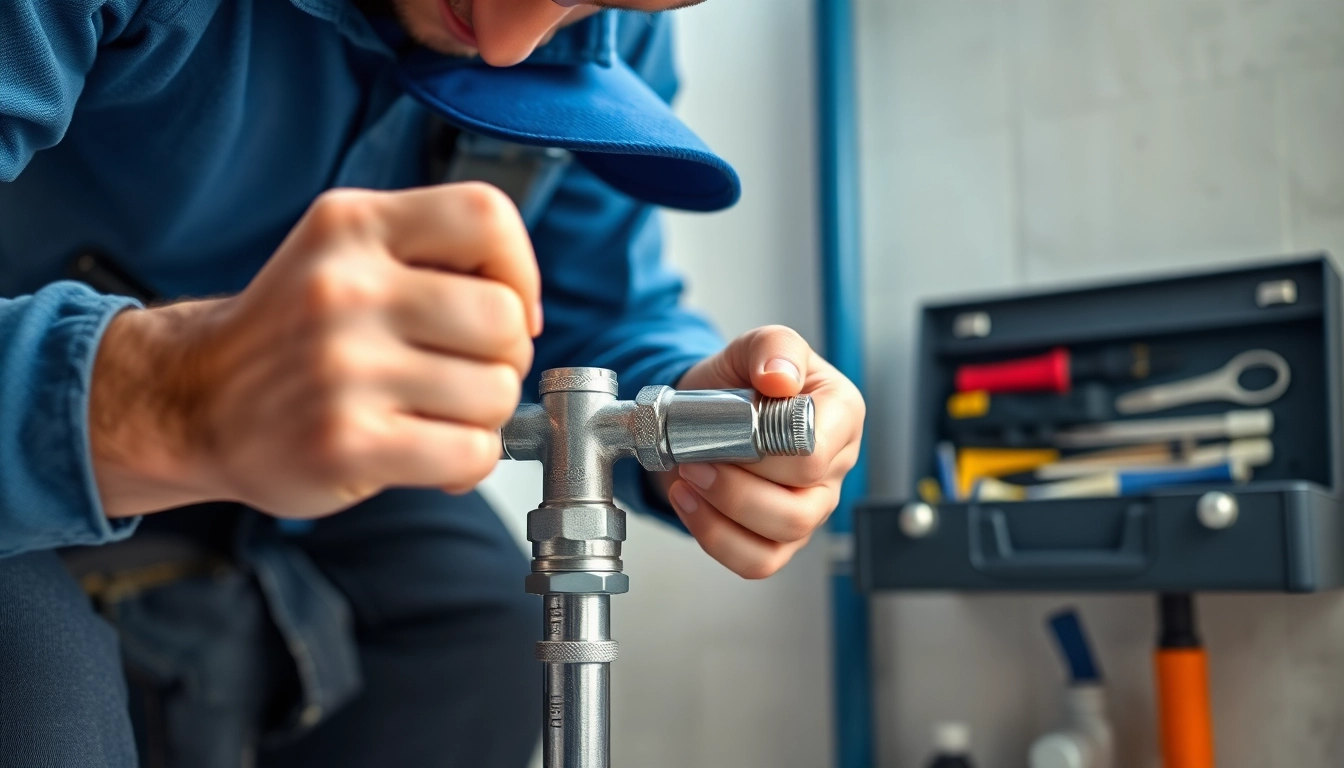
Understanding Whole House Repiping Saint Petersburg FL
Whole house repiping is a critical home improvement project that many homeowners consider when faced with aging plumbing systems. In Saint Petersburg, FL, the unique climate and regional variables can significantly impact the plumbing infrastructure in homes. If your plumbing shows signs of aging, frequent leaks, or inadequate water pressure, you may need reliable solutions like Whole House Repiping Saint Petersburg FL. This article will guide you through the essentials of whole house repiping, helping you make informed decisions for your home.
What is Whole House Repiping?
Whole house repiping involves replacing all the existing pipes in your home with new, modern materials. This is often necessary for homes with outdated plumbing systems, such as those made of galvanized steel or polybutylene, which can lead to various plumbing issues. The repiping process typically includes removing the old pipes and installing new ones, ensuring they meet current building codes and standards. A repipe can involve various areas of your plumbing system, including supply lines and drain pipes, tailored to your home's specific needs.
Signs Your Home Needs Repiping
Identifying when your home requires repiping is crucial for maintaining a safe and efficient plumbing system. Here are some common signs to watch for:
- Frequent Leaks: Regularly faced leaks may indicate the decay or deterioration of your pipes.
- Rust or Discoloration: If your water is rusty or discolored, it could mean your pipes are corroding.
- Low Water Pressure: Noticeable drops in water pressure can stem from mineral buildup or pipe damage.
- High Water Bills: Unexpected spikes in your water bills could signify leaks or inefficiencies in your plumbing system.
- Old Plumbing: Homes built before the 1970s may have materials no longer deemed safe or reliable, such as lead or outdated plastics.
Benefits of Whole House Repiping
Repiping your home can offer several advantages:
- Improved Water Quality: New pipes ensure better water quality, free from rust and contaminants.
- Increased Home Value: A new plumbing system can enhance your home's overall value and attractiveness to potential buyers.
- Longer Lifespan: Modern pipe materials have significantly longer lifespans than older plumbing systems, offering peace of mind.
- Reduced Maintenance: Fewer leaks and issues mean less frequent repairs and maintenance, saving you time and money.
- Better Water Pressure: New pipes can restore and enhance your water pressure, making home usage more pleasant and efficient.
Choosing the Right Material for Repiping
Common Pipe Materials Explained
When repiping, selecting the right material is crucial for long-term success. Here are some popular options:
- PVC (Polyvinyl Chloride): Lightweight and cost-effective, PVC is commonly used for drainage, waste, and vent systems.
- CPVC (Chlorinated Polyvinyl Chloride): Similar to PVC but suitable for hot and cold water supply lines, CPVC is highly durable.
- PEX (Cross-Linked Polyethylene): Flexible and resistant to scale and chlorine, PEX is increasingly popular for its ease of installation and longevity.
- Copper: A traditional choice, copper is durable and antimicrobial but may be more costly to install.
- Galvanized Steel: Once commonly used, it is now less favored due to issues with corrosion and rust.
Factors Influencing Material Choice
Several factors influence your choice of pipe materials:
- Cost: Some materials like PEX and PVC are generally less expensive compared to copper.
- Application: The intended use (water supply vs. drainage) may dictate which material is appropriate.
- Local Building Codes: Requirements in your area may mandate specific materials.
- Climate Considerations: In areas susceptible to freezing, materials resistant to cold temperatures may be required.
- Longevity and Maintenance: Consider how often you'll need to replace or maintain different types of pipes.
Long-Term Performance Considerations
Ensuring the long-term effectiveness of your plumbing system goes beyond initial costs. Here are a few points to consider:
- Resistance to Corrosion: Choose materials that withstand corrosion and rust, particularly in areas with hard water.
- Expansion and Contraction: Flexible materials like PEX can expand with temperature changes, preventing cracks.
- Environmental Impact: Consider using eco-friendly materials to minimize environmental damage and promote sustainability.
- Warranty and Lifespan: Check warranties provided by manufacturers; more extended warranties may be indicative of quality.
Cost Factors for Whole House Repiping Saint Petersburg FL
Average Costs in Saint Petersburg
The cost of whole house repiping can vary significantly based on multiple factors, including your home size, the material used, and local labor costs. On average, homeowners in Saint Petersburg may expect to pay between $7,000 to $15,000 for complete repiping. It's essential to receive quotes from multiple sources to gauge an accurate estimate based on your individual needs.
How to Budget for Repiping
Budgeting for a whole house repiping project entails more than just the initial cost of materials. Consider the following aspects:
- Material Costs: Research the costs of various pipe materials and the pros and cons of each.
- Labor Costs: Consult with reputable contractors to obtain labor quotes.
- Contingency Fund: Allocate approximately 10-20% of your budget for unexpected expenses.
- Permitting and Inspections: Factor in any local regulations and potential fees for permits and inspections.
Hidden Costs to Consider
Beyond initial estimates, there could be several hidden costs associated with repiping:
- Drywall Repairs: Expect to repair drywall removed for pipe access.
- Temporary Relocation: If your home’s plumbing is significantly affected, you may need to temporarily relocate.
- Additional Repairs: You may find that other plumbing components require repairs or upgrades during the process.
Finding a Trustworthy Repiping Contractor
What to Look for in a Contractor
Choosing the right contractor is essential for a successful repiping project. Focus on these key criteria:
- Experience: Ensure the contractor has extensive experience with repiping projects.
- Licenses and Insurance: Confirm that they are licensed and insured as required by Florida regulations.
- Reputation: Check online reviews and ask for recommendations from friends or family.
- Detailed Quotes: Look for contractors who provide comprehensive quotes detailing all elements of the work.
- Warranties: A reputable contractor should offer warranties on both materials and labor.
Questions to Ask Potential Contractors
Engaging potential contractors with targeted questions can help ascertain their capability to handle your project effectively:
- What types of materials do you recommend and why?
- Can you provide references from previous repiping projects?
- How long will the project take from start to finish?
- What is your policy on unforeseen issues during the project?
- Will you provide a written contract outlining all aspects of the project?
Evaluating Contractor Estimates
Once you have multiple estimates, it is important to evaluate them carefully. Consider the following points:
- Details: Make sure each estimate includes specifics on labor, materials, and timeline.
- Comparative Value: Don’t just go for the cheapest option; evaluate value in terms of quality of service offered.
- Breakdowns: Look for estimates that break down costs into manageable categories.
FAQs about Whole House Repiping
What is the average lifespan of new pipes?
New pipes typically last 50 to 100 years, depending on the material used. Copper and PEX have longer lifespans compared to PVC or CPVC, which generally last around 25-40 years.
Can you stay in your home during repiping?
Depending on the scale of the work, you may be able to remain in your home, but expect some disruptions. For significant repiping, temporary relocation may be necessary for safety and comfort.
What permits are needed for repiping?
Permitting requirements can differ based on local laws. Typically, a plumbing permit is required. Consulting with your contractor can clarify necessary permits for your specific situation.
How long does repiping typically take?
The duration of the repiping project varies by home size and pipe complexity but generally ranges from 3 to 10 days. Larger homes or more extensive systems may take longer to complete.
Are there warranties on repiping work?
Most contractors offer warranties on both materials and labor. These warranties can range from a few years to a lifetime, depending on the material used and contractor policies.