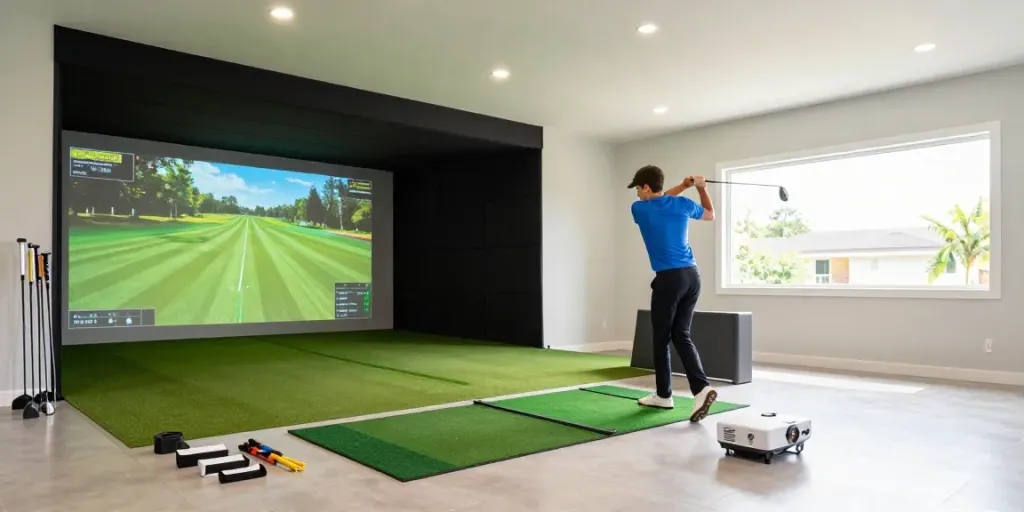
Understanding the Basics of Home Golf Simulators
Home golf simulators are rapidly growing in popularity, providing avid golfers with the opportunity to practice and play golf year-round from the comfort of their own homes. These systems have evolved significantly, offering realistic gameplay experiences through advanced technology. However, as with any investment, it's essential to weigh the benefits against the associated costs and practicality of installation. When exploring options, how to build home golf sim guides can provide comprehensive insights to help you make informed decisions.
What Is a Home Golf Simulator?
A home golf simulator is an advanced piece of technology that uses sensors and software to recreate the experience of playing golf indoors. By simulating various courses, these systems allow you to practice your swing, analyze your performance, and enjoy a round of golf without leaving your home. Whether you're an advanced player looking to refine your skills or a casual golfer wanting to play during winter months, a home golf simulator can significantly enhance your golfing experience.
Key Components You Need
Building a home golf simulator requires several key components to achieve an optimal setup:
- Launch Monitor: The heart of your simulator, measuring ball speed, launch angle, and other metrics.
- Impact Screen or Net: Where you hit the ball; an impact screen provides a more immersive experience.
- Display: A projector or TV to visualize your shots on the screen.
- Simulator Software: The software that allows you to access various golf courses and tracks your performance.
- Enclosure: A frame that secures the screen and provides additional safety features.
- Hitting Mat: A surface that mimics real turf to practice your shots effectively.
Benefits of Having a Home Golf Simulator
Having a home golf simulator presents several advantages:
- Convenience: Practice whenever you want without traveling to a golf course.
- Year-round Play: Enjoy golf regardless of the weather conditions.
- Data Analysis: Improve your game through detailed feedback and analytics.
- Social Experience: Invite friends over for a round, adding a fun element to home gatherings.
Choosing the Right Space for Your Simulator Setup
The space you choose for your home golf simulator significantly impacts its functionality and your overall experience. Proper planning can ensure that you're not only comfortable while using the setup but also that it effectively meets your golfing needs. Here are key considerations when assessing your space:
Measuring Room Dimensions and Ceiling Height
The first step in setting up your home golf simulator is measuring the dimensions of the room. Ensure that you have adequate space, especially ceiling height, which is critical for your swing. Most golf swings require at least 9-10 feet of ceiling height to avoid any obstruction. If you fall short in this area, consider alternate spaces or a more compact simulator solution.
Considering Lighting and Environment
Lighting can greatly influence the effectiveness of your simulator. If you plan on using a projector, you'll need a room that can be darkened to enhance the display. Avoid rooms with too many windows that could reflect light onto the screen. Additionally, consider factors like temperature and humidity, particularly if the simulator will be located in a garage or basement.
How to Maximize Your Space
Efficiency is key when designing your simulator space. Prioritize items based on your needs and the frequency of use. Use wall space for storage solutions to keep equipment organized and out of the way. If space is limited, consider a portable setup that can be stored away when not in use.
Making Smart Equipment Choices
Investing in the right equipment is crucial for a successful golf simulator setup. With numerous options available, making informed choices will save you time, money, and frustration down the road. Here are the primary equipment decisions you'll need to make:
Choosing the Launch Monitor First
The launch monitor is arguably the most critical component of your simulator. It measures various aspects of your shot and provides feedback on your performance. Several options exist, ranging from affordable models that offer basic data to professional-grade monitors that provide detailed insights. Before choosing, consider your playing style and budget, as this will narrow down your choices significantly.
Deciding Between Impact Screen and Net
Your next decision revolves around whether to use an impact screen or a net. An impact screen provides a more immersive experience and allows for a clearer view of the simulated course. In contrast, a net setup is often more affordable and easier to install, making it a good starting point for beginners.
Selecting Projectors and Software
When it comes to projectors, ensure you select a model that works well with your screen. Additionally, simulator software should be compatible with your launch monitor to ensure a seamless user experience. Take the time to explore different options, as some software packages come with advanced features and capabilities that can enhance your overall experience.
Budgeting for Your Home Golf Simulator
Budgeting effectively for your home golf simulator can help you avoid unexpected expenses that could derail your project. Here are essential considerations when planning your budget:
Estimating Total Costs and Hidden Expenses
While it can be easy to focus solely on the launch monitor as the most significant expense, a home golf simulator setup involves multiple components that contribute to the overall cost. Be sure to budget for the following:
- Launch Monitor
- Display (projector or TV)
- Impact Screen or Net
- Hitting Mat
- Simulator Software
- Cabling and Mounting Supplies
- Enclosure (if applicable)
Factoring in shipping and installation costs can also provide a more accurate estimate of the total investment.
Common Budgeting Mistakes to Avoid
One common mistake is underestimating the costs associated with peripherals and accessories. Ensure that all necessary components, including software licenses and any required hardware, are factored into your budget. Additionally, don't overlook ongoing costs, such as software subscriptions or equipment maintenance.
Finding Deals on Equipment
Researching sales and discounts can help you find excellent deals on equipment. Many retailers offer seasonal promotions, and second-hand markets can provide substantial savings for gently used items. Always check for warranty information and return policies to ensure you're making safe purchases.
DIY Setup and Maintenance Tips
Setting up your home golf simulator can be a rewarding DIY project. With the right approach and tools, you can create a fantastic golf experience without professional help. Here’s how you can effectively manage the setup and ongoing maintenance:
Step-by-Step Guide to Installing Your Simulator
Start by laying out your equipment based on your measurements. Follow the manufacturer’s instructions meticulously for each component to avoid mistakes. Begin with the launch monitor and hitting mat, then move on to the display setup, and finally secure your screen or net. Ensure that everything is calibrated correctly before your first use.
Regular Maintenance and Upgrades
Maintaining your home golf simulator is crucial to keeping it functioning optimally. Regularly check for software updates and ensure your hardware is clean and undamaged. Additionally, if you find that your performance metrics are off, consider recalibrating your launch monitor.
Future-Proofing Your Setup
When building your simulator, select equipment that can adapt as your needs change. For instance, investing in a more versatile launch monitor may allow you to upgrade your software or add components later without having to replace everything.
What Tools Do You Need for DIY Setup?
Having the right tools on hand can simplify your installation process. Basic tools typically include a drill, screwdrivers, and a measuring tape. If you're building a custom enclosure, you might also need materials like wood for the frame and netting for additional safety features.
How to Troubleshoot Common Issues
Common issues may include connectivity problems with the launch monitor or software. Always refer to the manufacturer's troubleshooting guide for effective solutions. If the problem persists, consider reaching out to customer support for further assistance.
What's the Typical Timeline for Setup?
The time it takes to set up a home golf simulator varies based on the complexity of your setup. Basic configurations with a net and a mat may take just a few hours, while more advanced setups with screens, projectors, and enclosures could require a full weekend. Always allocate extra time for calibration and adjustments.
Can You Start Small and Upgrade Later?
Absolutely! Starting with a minimal setup featuring a launch monitor and net can be a smart way to gauge your usage and enjoyment before committing to additional components. As your golfing skills develop, you can add features like an impact screen or projector to enhance your experience.
Common Mistakes to Avoid When Building
Some common pitfalls include failing to measure your space accurately and not checking software compatibility before purchasing components. It’s crucial to verify these details prior to making any purchases to avoid costly mistakes.
Advice for Multi-User Setups
If multiple people will be using the simulator, consider adjustable elements for the setup like height and positioning. You may want to customize aspects of the simulator to accommodate different swing styles or heights to ensure everyone can enjoy their experience comfortably.
Frequently Asked Questions
Addressing common queries can clarify doubts many users may have and streamline the process of setting up a home golf simulator:
What Is Needed to Build a Home Golf Simulator?
Essentials include a launch monitor, hitting mat, impact screen or net, projector or display, and compatible software. Proper tools and a suitable space are also necessary.
How Much Does It Cost to Build a Home Golf Simulator?
Costs can vary significantly based on the quality of equipment you choose, with basic setups starting around $1,000 and more advanced configurations exceeding $5,000.
Can I Build My Own Golf Simulator?
Yes, many components are designed for DIY installation, and numerous online resources provide detailed instructions to guide you through the process.
How to Build a Golf Simulator Room on a Budget?
Start with a basic setup and gradually upgrade as needed. Shopping for used equipment and taking advantage of sales can also help reduce costs.
What Are the Best Home Golf Simulator Brands?
Reputable brands include SkyTrak, TrackMan, and FlightScope for launch monitors, along with Optoma and Epson for projectors. Researching each brand's offerings can help you find the best fit for your needs.