
Smart equipment is transforming industries by improving efficiency, automation, connectivity, and operational control. From industrial machinery and home automation devices to medical equipment and intelligent transportation systems, smart technologies rely on a wide range of electronic components to perform their functions effectively.
Electronic components serve as the foundation of smart equipment, enabling communication, monitoring, control, and data processing. As businesses continue to adopt advanced technologies like toggle switches, the importance of high-quality electronic components in equipment development has become increasingly significant.
The Rise of Smart Equipment
Modern industries are embracing smart equipment to enhance productivity, reduce operational costs, and improve decision-making. Smart systems can collect data, communicate with connected devices, and respond automatically to changing conditions.
To achieve these capabilities, equipment manufacturers depend on reliable electronic components that support system performance and ensure seamless operation. The quality and functionality of these components directly influence the effectiveness of smart equipment solutions.
Benefits of Electronic Components in Smart Equipment
Enhanced Connectivity
Electronic components enable communication between devices, systems, and networks, allowing smart equipment to exchange information efficiently.
Improved Automation
Advanced components support automated functions that reduce manual intervention and help improve operational efficiency.
Reliable Data Processing
Smart equipment relies on electronic components to collect, process, and transmit data that supports monitoring and decision-making.
Increased Operational Efficiency
Well-designed electronic systems help optimize equipment performance, reduce downtime, and improve productivity.
Better System Monitoring
Modern components enable real-time monitoring of equipment status, helping operators identify potential issues before they affect performance.
Long-Term Reliability
High-quality electronic components contribute to the durability and stability of smart equipment, supporting long-term operation in demanding environments.
Key Electronic Components Used in Smart Equipment
Smart equipment incorporates a variety of electronic components, including sensors, connectors, relays, controllers, switches, and circuit protection devices.
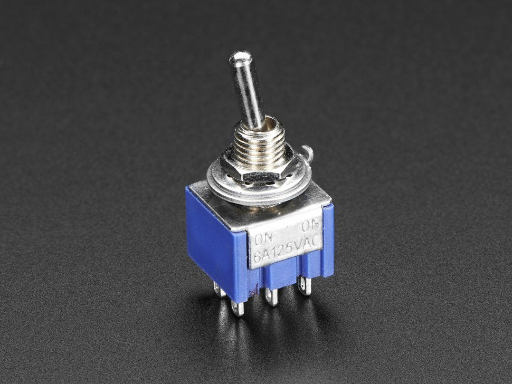
Among these essential components, toggle switches continue to play an important role by providing reliable manual control for various equipment functions. Their simple operation and dependable performance make them valuable in both traditional and smart systems.
A fuse holder is another critical component because it helps protect electrical circuits from overloads and short circuits. By supporting safe and reliable system operation, a fuse holder contributes to the overall performance of smart equipment.
Together, electronic components such as sensors, controllers, toggle switches, and fuse holder solutions help create efficient and dependable smart systems.
Applications of Smart Equipment
Smart equipment is widely used across many industries, including:
- Industrial automation
- Smart manufacturing
- Building management systems
- Medical technology
- Transportation infrastructure
- Telecommunications networks
- Renewable energy systems
- Consumer electronics
These applications demonstrate how electronic components enable advanced functionality and intelligent system operation.
Choosing the Right Electronic Components
When selecting components for smart equipment development, manufacturers should consider factors such as reliability, compatibility, durability, power requirements, environmental conditions, and long-term performance. Choosing the right components helps ensure efficient operation and supports future scalability.
It is also important to evaluate supporting products such as toggle switches and fuse holder components to create a complete and reliable electrical system.
Conclusion
Electronic components are the foundation of smart equipment development, providing the connectivity, control, protection, and functionality required for modern intelligent systems. Their role is essential in supporting automation, data processing, communication, and operational efficiency.
By incorporating reliable components such as toggle switches and fuse holder solutions, manufacturers can develop smart equipment that delivers dependable performance and long-term value. As technology continues to advance, electronic components will remain at the heart of innovation across industries worldwide.