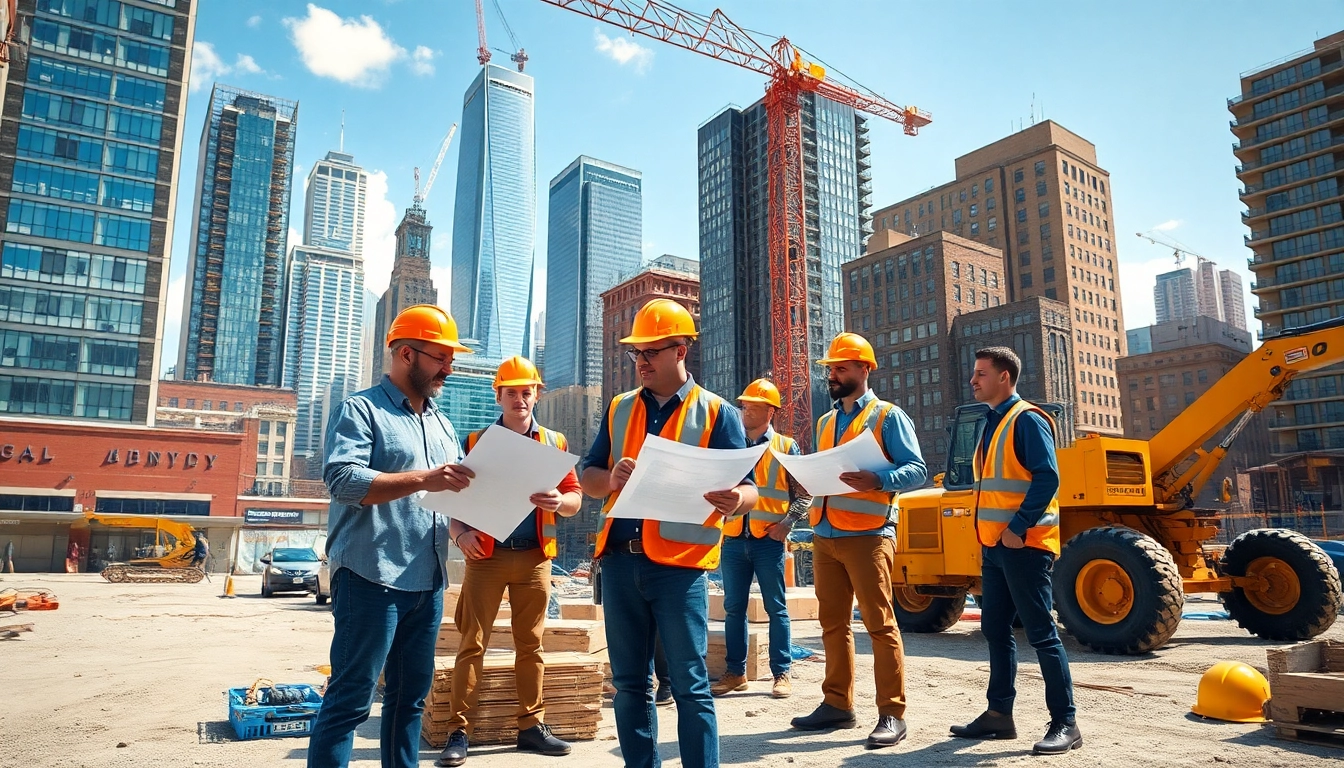
Understanding the Role of a New York Commercial General Contractor
What is a Commercial General Contractor?
A commercial general contractor (GC) is a professional responsible for managing construction projects, specifically within the realm of non-residential structures. These contractors oversee the entire construction process, which includes planning, coordinating, and supervising each phase of a project. They act as the bridge between clients, subcontractors, and suppliers, ensuring that every element of the project runs smoothly.
The role of a commercial general contractor is crucial as they bring not only expertise in construction management but also familiarity with the legal, financial, and logistical challenges that can arise. This comprehensive oversight makes them ideal for handling various commercial projects, ranging from retail spaces to office buildings. For businesses seeking a reliable and skilled partner in construction, seeking a New York Commercial General Contractor is essential.
Key Responsibilities of New York Commercial General Contractors
The key responsibilities of a New York commercial general contractor can be categorized into several essential areas:
- Project Planning: Establishing timelines and budgets is critical. The contractor assesses project specifications and scopes to create detailed plans.
- Coordination of Subcontractors: GCs hire and manage subcontractors who specialize in different aspects of construction, such as electrical, plumbing, and cabinetry work.
- Permitting and Compliance: They ensure that all work meets local codes and regulations and that necessary permits are obtained before construction begins.
- Quality Control: Consistently assessing workmanship and materials to meet quality standards through various inspections.
- Communication: Maintaining effective communication with clients, architects, and engineers to keep stakeholders informed throughout the process.
- Risk Management: Identifying and mitigating potential risks to avoid delays and additional costs.
Differences Between General Contractors and Subcontractors
Understanding the distinction between general contractors and subcontractors is vital for anyone engaged in a commercial construction project. GCs manage the project as a whole, ensuring that it adheres to timelines and budgets. Conversely, subcontractors are specialized tradespeople hired by general contractors to handle specific tasks within the project. For instance, while the general contractor oversees the overall project, the plumbing contractor would solely focus on the plumbing installations. This division of labor allows for specialized expertise in various fields, facilitating a more efficient construction process.
Choosing the Right New York Commercial General Contractor
Factors to Consider When Selecting a Contractor
Choosing the right commercial general contractor is imperative to the success of your construction project. Key factors to consider include:
- Experience: Look for contractors experienced in handling projects similar to yours. Specialization matters.
- Reputation: Research client feedback and testimonials to gauge past performance.
- Licensing and Insurance: Verify that the GC is properly licensed and insured to protect yourself from potential liabilities.
- Communication Skills: Effective communication between all parties is essential for a smooth workflow.
- Cost Transparency: Ensure the contractor provides clear estimates and explains cost factors upfront to avoid surprises later.
Evaluating Contractor Credentials and Experience
When evaluating credentials, ask potential contractors for references and examples of their previous work. A reputable contractor should showcase a portfolio detailing their accomplishments. This auditing process often includes checking their license status and insurance coverage. Furthermore, assessing their experience with similar project scopes can offer insights into their ability to handle your specific needs effectively.
Importance of Client Testimonials and Past Projects
Client testimonials provide a glimpse into a contractor's reliability and work ethic. By reviewing feedback, potential clients can understand the contractor's strengths and weaknesses. Additionally, examining past projects can indicate the types of finishes and craftsmanship to expect. Strong, positive testimonials usually reflect solid project management and client satisfaction, which are crucial factors in your decision-making.
Benefits of Hiring a New York Commercial General Contractor
Streamlined Project Management and Coordination
One of the primary benefits of employing a New York commercial general contractor is streamlined project management. By overseeing all aspects of a project, including subcontractor coordination, material procurement, and scheduling, GCs can manage workflows effectively. This comprehensive management approach minimizes the risk of delays, ensuring that projects are completed on time. Through a single point of contact, clients can communicate their needs and expectations efficiently, resulting in a smoother construction process.
Access to Industry Expertise and Resources
Commercial general contractors bring extensive industry knowledge and access to a network of contacts, including specialized subcontractors and suppliers. Their expertise allows them to navigate the complexities of construction projects, addressing challenges proactively and ensuring compliance with regulations. In addition, GCs can leverage their connections for bulk purchasing discounts on materials, resulting in cost savings for clients without compromising quality.
Cost Efficiency and Budget Control Strategies
General contractors can significantly enhance cost efficiency through thorough planning and budgeting. By analyzing project costs and providing accurate forecasts, they can identify potential savings early on. Additionally, their experience in negotiating with subcontractors and suppliers can lead to more favorable pricing. Employing a GC helps control project budgets by managing expenditures and maximizing resource allocation effectively.
Common Challenges Faced by New York Commercial General Contractors
Managing Unexpected Changes and Delays
Unexpected changes in scope or delays due to permitting or materials can threaten project timelines. A skilled GC will prepare contingency plans and establish clear communication channels to manage these challenges effectively. Flexibility and adaptability are crucial for a commercial GC as they work to ensure that the project remains on track despite unforeseen obstacles.
Adhering to Local Building Codes and Regulations
Navigating the myriad of local building codes and regulations is another challenge GCs regularly face. Compliance is vital to avoid fines and unsafe work conditions. A proficient New York commercial general contractor will maintain current knowledge of applicable laws and ensure that all work adheres to local standards, ultimately safeguarding the project and its stakeholders.
Ensuring Safety and Compliance on Site
Construction sites can be hazardous, making safety protocols paramount. Commercial general contractors must implement stringent safety measures to protect workers and minimize accidents. Regular safety training for all site personnel, along with clear communication of safety protocols, helps to maintain compliance with occupational safety regulations. A robust safety culture not only enhances the project’s reputation but also significantly reduces risks associated with workplace injuries.
Future Trends in the New York Commercial General Contractor Industry
Impact of Technology on Construction Processes
The construction industry is embracing technological advancements that streamline processes and enhance collaboration. Technologies such as Building Information Modeling (BIM), Project Management Software, and mobile construction applications allow GCs to visualize projects in 3D, track progress in real-time, and facilitate efficient communication among stakeholders. These tools enable more informed decision-making and improve project outcomes.
Sustainability Practices in Commercial Construction
Sustainability is becoming a critical focus for commercial construction. New York commercial general contractors are increasingly adopting eco-friendly practices that reduce waste and energy consumption. This includes utilizing sustainable materials, implementing energy-efficient designs, and fostering recycling initiatives throughout construction projects. As environmental awareness grows, clients are seeking contractors who can integrate sustainability into their construction practices.
Growth of Remote Collaboration in Project Management
The shift towards remote collaboration, accelerated by recent global events, has significantly influenced project management in construction. Tools for virtual meetings and document sharing are essential for maintaining communication among teams, especially considering the fast-paced nature of construction projects. This trend has reinforced the importance of flexibility, enabling teams to collaborate effectively, regardless of their physical locations.
FAQs
What is the primary role of a commercial general contractor?
The primary role of a commercial general contractor is to oversee and manage construction projects. This includes planning, coordinating subcontractors, ensuring compliance with regulations, and maintaining communication with clients.
How do I choose the right commercial general contractor?
Consider factors such as experience, reputation, licensing, communication skills, and cost transparency. Researching testimonials and past projects also helps ensure you select a qualified contractor.
What are the benefits of hiring a general contractor?
Benefits include streamlined project management, access to industry expertise, cost efficiency, and improved communication, ensuring smoother project execution and higher quality results.
What are common challenges faced in commercial construction?
Common challenges include managing unexpected changes, adhering to local codes, and ensuring safety on site. A skilled GC will implement strategies to overcome these challenges effectively.
What is the future of commercial contracting?
The future includes embracing technology, sustainability practices, and remote collaboration in project management. These innovations will streamline processes and enhance project outcomes in the commercial construction industry.