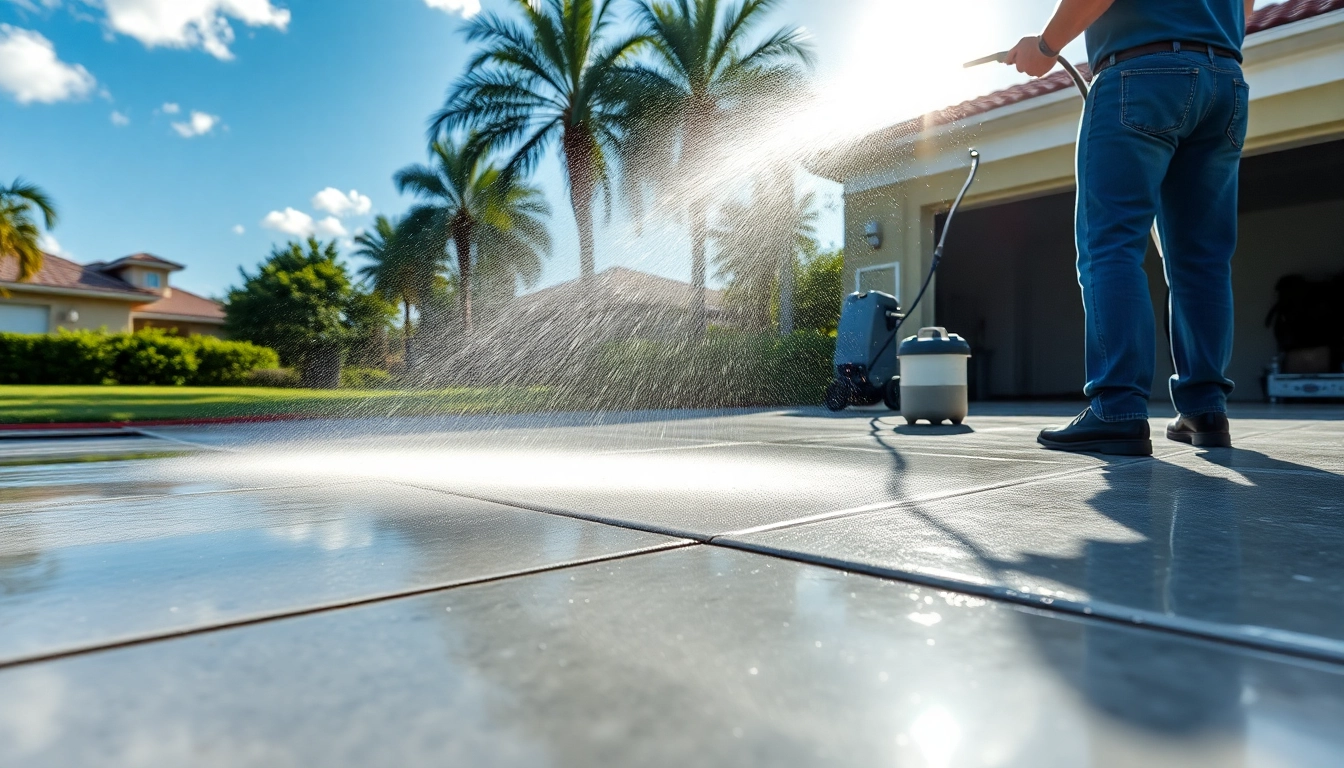
Understanding Concrete Cleaning Services
Concrete cleaning is essential for maintaining the aesthetic appeal and longevity of your surfaces. Whether it's your driveway, patio, or commercial sidewalk, regular cleaning can preserve the concrete's structural integrity, enhance safety, and improve overall property value. In Kissimmee, FL, and across the Orlando area, homeowners and business owners alike are increasingly recognizing the benefits of professional concrete cleaning services. These services not only restore the beauty of concrete surfaces but also eliminate harmful contaminants that can lead to deterioration over time.
What is Concrete Cleaning?
Concrete cleaning refers to the process of removing dirt, stains, and contaminants from concrete surfaces using various methods such as pressure washing, chemical cleaning, and scrubbing. The primary goal is to restore the concrete's original appearance, ensuring that it remains an attractive part of your property.
Why is Concrete Cleaning Important?
Maintaining clean concrete surfaces is crucial for several reasons:
- Aesthetic Appeal: Clean concrete enhances the visual appeal of your property, making it more attractive to visitors and potential buyers.
- Longevity: Regular cleaning helps prevent the buildup of harmful substances like mold, mildew, and oils, which can deteriorate the surface over time.
- Safety: Slippery or stained concrete can pose a safety hazard. Cleaning helps maintain traction and reduces the risk of slips and falls.
- Property Value: Well-maintained concrete adds to the overall value of your property by creating a welcoming environment.
Types of Concrete Cleaning Methods
There are several methods for cleaning concrete, each suited to different types of stains and surfaces:
- Pressure Washing: High-pressure water jets effectively remove dirt, grime, and stains from concrete surfaces. Ideal for large areas like driveways and parking lots.
- Soft Washing: This method employs lower pressure combined with specialized cleaning solutions, making it suitable for more delicate surfaces or when dealing with closer stains.
- Chemical Cleaning: For stubborn stains, chemical cleaners can be applied to break down the dirt and grime, making it easier to wash away. This method is often used in conjunction with pressure washing.
- Scrubbing: Manual scrubbing might be required for heavily soiled or textured surfaces, ensuring deep cleaning in hard-to-reach areas.
Choosing the Right Concrete Cleaning Professional
When selecting a concrete cleaning professional, it's essential to ensure they have the experience and equipment necessary to perform the job effectively and safely. A reputable service provider will use appropriate techniques and materials, tailoring their approach to the specific needs of your concrete surfaces.
What to Look for in a Service Provider
Here are a few critical factors to consider when selecting a concrete cleaning service:
- Experience: Look for a company with a proven track record and positive customer reviews in concrete cleaning.
- Insurance: Ensure that the company is licensed and insured to protect yourself from potential liabilities.
- Equipment: Check if the service provider uses advanced equipment suitable for the job, including eco-friendly cleaning solutions.
- Warranty: A reputable company often offers satisfaction guarantees or warranties for their work.
Questions to Ask Before Hiring
Before hiring a concrete cleaning service, consider asking the following questions to gauge their expertise:
- What cleaning methods do you use, and why?
- Can you provide references or testimonials from previous clients?
- How do you handle different types of stains and surfaces?
- What are your safety and environmental practices?
Comparing Pricing Models
Concrete cleaning costs can vary based on several factors, including the size of the area, the method used, and the amount of staining present. It is advisable to obtain multiple quotes and ensure that the pricing reflects the quality and thoroughness of the service. Some companies offer flat rates, while others may charge per square foot, so it’s essential to understand the pricing model clearly.
Best Practices for Effective Concrete Cleaning
Implementing best practices during concrete cleaning can enhance the effectiveness of the process and prolong the results. Here are some essential guidelines:
Preparation Steps for Concrete Cleaning
Before starting the cleaning process, proper preparation is critical. This may include:
- Clearing the area of furniture, planters, and debris.
- Performing a preliminary inspection to identify stains and areas needing special attention.
- Applying protective coverings to nearby plants, windows, and surfaces that may be affected by cleaning agents.
Eco-Friendly Cleaning Solutions
When possible, opt for environmentally friendly cleaning solutions to minimize chemical exposure and environmental impact. Many professional services are now utilizing biodegradable detergents that effectively clean without harming the environment.
Safety Precautions During the Cleaning Process
Cleaning concrete can involve the use of powerful machinery, so safety precautions are paramount:
- Ensure all operators are trained and wear appropriate protective gear, such as gloves, goggles, and masks.
- Be aware of potential slip hazards during the cleaning process, especially if water or cleaning agents are present.
- Follow all safety protocols regarding the operation of pressure washers and chemical cleaners.
Common Challenges in Concrete Cleaning
Concrete cleaning can present certain challenges that require special attention and techniques to overcome. Understanding these challenges can help in achieving better results.
Stubborn Stains: Oil, Grime, and Mold
Stains from oil spills, grime accumulation, or mold growth can be particularly challenging to remove. Professional cleaners often use a combination of pressure washing and chemical treatments designed specifically for these types of stains. It's important to act quickly, as older stains become increasingly difficult to eliminate.
Dealing with Weathered Surfaces
Concrete surfaces exposed to harsh weather conditions may develop cracks and other damages over time. When cleaning weathered concrete, extra care must be taken to avoid exacerbating these issues. Soft washing techniques may be more suitable to prevent further damage during the cleaning process.
Understanding Surface Damage Risks
Using inappropriate pressure or incorrect cleaning agents can lead to surface damage. It's vital to understand the specific characteristics of the concrete being cleaned and choose methods accordingly. Hiring a professional who is knowledgeable can significantly reduce the risk of damage.
Trends and Innovations in Concrete Cleaning
As technology advances, various trends and innovations are reshaping the concrete cleaning landscape, making services more effective and environmentally friendly.
Emerging Technologies for Concrete Restoration
New cleaning technologies, such as specialized pressure washer attachments and eco-friendly cleaning solutions, are making concrete cleaning faster and more efficient. These innovations offer enhanced cleaning capabilities, allowing for a deeper clean without damaging the surface.
The Role of Water Reclamation in Concrete Cleaning
Water reclamation systems are becoming increasingly important in concrete cleaning, especially in commercial applications. These systems capture and reuse water used during the cleaning process, significantly reducing waste and environmental impact. This approach aligns with today's focus on sustainability in business practices.
Future of Eco-Friendly Cleaning Solutions in 2025
As environmental concerns grow, the demand for eco-friendly cleaning solutions is set to increase. Future innovations will likely include improved biodegradable cleaning agents and reduced energy consumption methods, catering to eco-conscious consumers in the coming years.