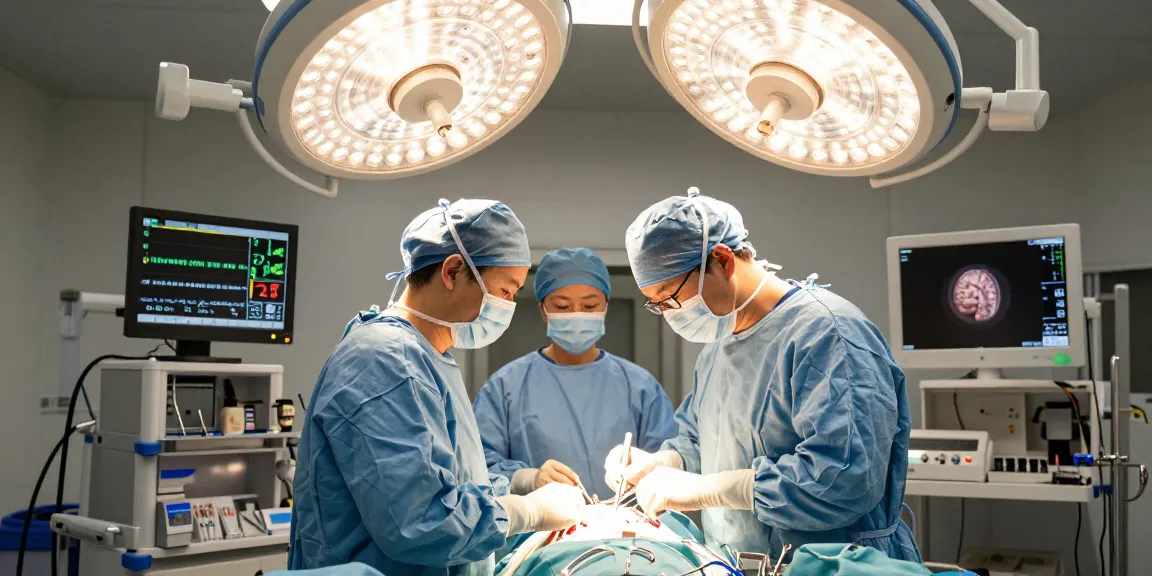
Understanding Beyin Ameliyatı: Importance and Risks
Beyin ameliyatı, or brain surgery, is a critical intervention for addressing various neurological conditions, including tumors, hemorrhages, and other serious brain disorders. This surgical procedure can be life-saving and involves intricate techniques and considerations. It’s essential for patients and their families to understand what beyin ameliyatı entails, including the types of surgeries available, potential risks, and recovery processes. When exploring options, Beyin ameliyatı provides comprehensive insights that can help in making informed decisions.
What is Beyin Ameliyatı?
Beyin ameliyatı refers to a variety of surgical procedures performed on the brain or surrounding structures. These procedures can include the removal of tumors, draining of hematomas, and addressing injuries or malformations. The complexity of brain surgery necessitates a multidisciplinary approach, often involving neurologists, neurosurgeons, anesthesiologists, and rehabilitation specialists to ensure the best possible outcomes for patients.
Common Misconceptions About Beyin Ameliyatı
Many misconceptions surround brain surgery, leading to unnecessary anxiety for patients. One common myth is that all brain surgeries are extremely dangerous and have high rates of failure. While every surgical procedure carries risks, advancements in surgical techniques and technology, such as minimally invasive procedures and preoperative imaging, have significantly improved safety and outcomes. Another misconception is that all brain surgeries require a long recovery period, which is not true for many modern procedures.
Potential Risks and Complications
As with any surgical procedure, beyin ameliyatı carries potential risks, which can include:
- Infection
- Bleeding
- Neurological deficits, such as weakness or speech difficulties
- Seizures
- Anesthesia-related complications
Patients must discuss these risks with their healthcare providers to weigh the benefits against potential complications.
Types of Beyin Ameliyatı: Exploring Procedures
There are several prominent types of beyin ameliyatı, each tailored to specific medical conditions. Understanding these procedures can help patients and their families prepare better for what lies ahead.
Beyin Tümörü Cerrahisi Explained
Beyin tümörü cerrahisi involves removing tumors from the brain, which can vary in type, size, and location. The primary goal of surgery is to excise the tumor while preserving healthy brain tissue to minimize the risk of neurological damage. This procedure can be performed via craniotomy, where a section of the skull is temporarily removed, or through less invasive methods using advanced imaging technology.
Kapalı Beyin Ameliyatı Techniques
Kapalı beyin ameliyatı, or minimally invasive brain surgery, has gained popularity due to its lower risk of complications and reduced recovery times. Techniques may include endoscopic procedures, where surgeons use small cameras and instruments inserted through tiny incisions. This approach is particularly beneficial for conditions like pituitary tumors or certain types of intracranial hemorrhages, allowing for quicker recovery and less postoperative pain.
Awake Kraniyotomi: How It Works
Awake kraniyotomi is a specialized technique used during brain surgery to maintain patient responsiveness. This is especially critical when operating near areas of the brain responsible for essential functions like speech and movement. By keeping the patient awake and alert during parts of the procedure, the surgeon can identify and preserve vital neural pathways, reducing the risk of postoperative deficits.
Post-Surgery Recovery: What to Expect
The recovery process after beyin ameliyatı can vary significantly depending on the complexity of the surgery and the patient’s overall health status. Understanding what to expect can ease the transition back to everyday life.
Immediate Post-Operative Care
Immediately following surgery, patients are typically monitored in a recovery unit to assess their neurological status. Vital signs are closely observed, and pain management protocols are employed to ensure comfort. Depending on the surgery type, some patients may be hospitalized for several days to ensure proper recovery and management of any potential complications.
Long-Term Recovery and Rehabilitation
Long-term recovery from beyin ameliyatı usually involves a structured rehabilitation program tailored to the individual's needs. This may include physical therapy to regain strength, occupational therapy to adapt to daily living activities, and speech therapy, especially for patients who experienced difficulties in communication. The overall timeline for recovery can range from weeks to months, emphasizing the need for patience and support during this period.
Managing Side Effects After Beyin Ameliyatı
Patients may experience various side effects post-surgery, including fatigue, headaches, and cognitive changes. Regular follow-ups with healthcare providers are essential for monitoring these symptoms and implementing effective management strategies. Lifestyle adjustments, such as adequate rest, hydration, and a balanced diet, can facilitate recovery.
Cost Factors: Beyin Ameliyatı Expenses
The cost of beyin ameliyatı can vary widely based on several factors, including the type of surgery, the institution performing the procedure, and the patient's insurance coverage. Understanding these elements is crucial for proper financial planning.
Understanding Insurance Coverage
Insurance coverage can significantly impact the out-of-pocket costs associated with beyin ameliyatı. Patients are advised to consult with their insurance providers to understand the extent of their coverage and potential out-of-pocket expenses. Most public health services offer substantial coverage for surgeries deemed medically necessary.
Comparative Costs: Public vs. Private Care
In many regions, public hospitals may offer lower-cost surgery options compared to private facilities. However, private hospitals often provide faster service and additional amenities, which may justify the higher costs for some patients. It is essential to compare these factors based on personal circumstances.
Financial Planning for Surgery
Prior to surgery, patients should obtain a detailed estimate from their healthcare provider, including all associated costs. This information can help in budgeting and ensuring that necessary funds are available, particularly for those without adequate insurance coverage.
Future of Beyin Ameliyatı: Trends and Innovations
The field of neurosurgery is continually evolving, with numerous advancements improving patient outcomes and surgical techniques. Staying informed about these trends is beneficial for patients and their families.
Advancements in Surgical Techniques
Recent advancements include the use of robotic-assisted surgery, which enhances precision and reduces recovery times. Techniques such as intraoperative MRI and CT scanning allow surgeons to navigate more effectively and minimize damage to surrounding brain tissue.
Impact of Technology on Outcomes
The integration of artificial intelligence in surgical planning and post-operative monitoring is revolutionizing brain surgery. AI-driven algorithms can analyze vast amounts of data to predict outcomes and optimize treatment plans, ultimately enhancing patient care.
Predictions for 2026: What Patients Should Know
Looking ahead to 2026, we can expect further innovations that will enhance the safety and efficacy of beyin ameliyatı. Techniques that enable even less invasive approaches, improved imaging technologies, and the continued development of personalized medicine will shape the landscape of neurosurgery for years to come.
Frequently Asked Questions About Beyin Ameliyatı
What is the recovery timeline after Beyin Ameliyatı?
The recovery timeline after beyin ameliyatı can vary based on several factors, including the type of surgery and the patient’s health. Most patients begin to feel better within a few weeks, but complete recovery may take several months.
Is Beyin Ameliyatı risky?
As with any surgical procedure, beyin ameliyatı carries risks, including infection and potential neurological complications. However, advancements in techniques and technology have significantly reduced these risks in recent years.
How is a Beyin Tümörü treated surgically?
Beyin tümörü treatment often involves surgical removal through craniotomy. The surgeon aims to extract as much tumor tissue as possible while preserving healthy brain function.
What are the symptoms indicating the need for Beyin Ameliyatı?
Symptoms that may indicate the need for beyin ameliyatı include persistent headaches, unexplained seizures, neurological deficits, and changes in behavior or cognition. For more information, Beyin ameliyatı offers valuable insights. Patients experiencing these symptoms should seek immediate medical attention.