
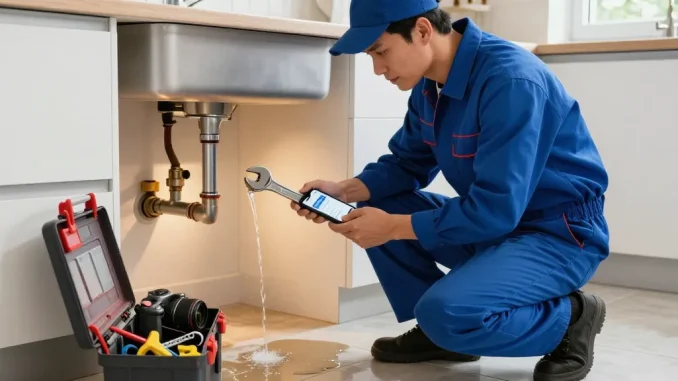
Understanding Common Plumbing Emergencies
Plumbing emergencies can strike at any time, often leaving homeowners feeling helpless and anxious about the potential damage to their property. From burst pipes to overflowing toilets, these urgent situations necessitate prompt and effective responses. Understanding the common plumbing emergencies you may encounter can empower you to act swiftly and minimize damage. For more detailed insights regarding immediate assistance, feel free to refer to this page, which offers vital information on emergency plumbing services.
Types of Emergencies Homeowners Face
Homeowners often face a variety of plumbing emergencies that can disrupt daily life and pose significant risks to their homes. Some of the most common types include:
- Leaking Pipes: A leaky pipe can lead to extensive water damage and mold growth if not addressed promptly.
- Blocked Drains: Clogged drains can cause water to overflow, leading to unsanitary conditions and potential property damage.
- Overflowing Toilets: A malfunctioning toilet can flood your bathroom and adjoining areas, creating a health hazard.
- Water Heater Failures: Sudden failures can leave you without hot water, which can be particularly inconvenient during colder months.
Identifying Warning Signs Before a Crisis
Many plumbing emergencies give off warning signs before they escalate. Being vigilant and proactive about these signs can prevent severe damage:
- Unusual noises from pipes or fixtures may indicate an underlying issue.
- Sudden spikes in your water bill could suggest hidden leaks.
- Puddles or damp spots on floors or ceilings signal possible leaks.
- Slow drainage in sinks and tubs can indicate blockages that need to be addressed.
Pain Points of Plumbing Issues and Their Consequences
Plumbing emergencies can create a cascade of pain points for homeowners. The immediate stress of dealing with water damage, potential mold growth, and the disruption of daily routines can be overwhelming. Moreover, the financial implications can add to the anxiety, with costly repairs often necessary to restore normalcy. Long-term consequences may include decreased home value, especially if issues are not promptly addressed.
Immediate Steps to Take in a Plumbing Emergency
When faced with a plumbing emergency, knowing the immediate steps to take can mitigate damage and ensure safety. Here are some crucial actions to consider:
How to Safely Shut Off Water Supply
The first step in any plumbing emergency is to shut off the water supply to prevent flooding. Locate your main water shut-off valve, typically found near your water meter or where the water line enters your home. Turning the valve clockwise will stop the flow of water.
Essential Tools Every Homeowner Should Have
Being equipped with the right tools can empower you to address minor plumbing issues effectively. Essential tools include:
- Plunger: Ideal for clearing clogs in toilets and sinks.
- Adjustable Wrench: Useful for tightening or loosening fittings.
- Tape Measure: Essential for accurate measurements during repairs.
- Pipe Wrench: Ideal for removing and installing larger pipes.
Temporary Fixes While Waiting for Professional Help
If you’ve experienced a plumbing emergency, there are temporary fixes you can implement while waiting for a plumber:
- For leaking pipes, wrapping the area with duct tape can provide a temporary seal.
- Using towels and buckets can help manage overflow from toilets or sinks.
- If your water heater is leaking, turn it off and drain the remaining water to reduce flooding risk.
Choosing the Right Emergency Plumber
Choosing the right emergency plumber is crucial for effective and timely repairs. Here are key considerations to keep in mind:
Key Qualities and Credentials to Look For
Not all plumbers operate on the same quality level. Look for the following qualities:
- Licensing and Insurance: Ensure your plumber is licensed and insured to protect yourself from liability.
- Experience: An experienced plumber is likely to handle emergencies more efficiently.
- Emergency Services: Verify that they offer 24/7 services to address immediate needs.
Questions to Ask Before Hiring a Plumber
Don’t hesitate to ask plumbers important questions that reveal their reliability:
- How quickly can you respond to emergencies?
- What are your rates for emergency plumbing services?
- Can you provide references or reviews from previous clients?
How to Verify Reviews and References
If you want to ensure you’re working with a reputable plumber, take the time to verify reviews:
- Check online review platforms for unbiased customer feedback.
- Ask for contact information of past clients and follow up to inquire about their experiences.
- Look for plumbers with a strong local presence, as this often indicates a commitment to the community.
Preventive Measures to Avoid Plumbing Issues
Preventing plumbing issues before they escalate is not only smart but can save you money and stress in the long run. Consider these preventive measures:
Regular Maintenance Tips for Home Plumbing
Routine maintenance can significantly reduce the likelihood of plumbing emergencies. Here are some tips to implement:
- Conduct regular checks of exposed pipes for signs of leaks.
- Clear drains of debris and hair to prevent blockages.
- Schedule annual inspections with a qualified plumber to catch issues early.
Common Misconceptions about DIY Plumbing Repairs
Homeowners often turn to DIY solutions for plumbing repairs, but there are misconceptions that can lead to greater problems:
- Not all plumbing issues can be fixed with DIY methods; some require professional expertise.
- Temporary fixes can sometimes cause more damage, leading to higher repair costs later.
- It’s essential to understand what tools and skills are necessary for specific repairs.
Investing in Smart Plumbing Technology for 2026
As technology advances, homeowners can invest in smart plumbing solutions that offer enhanced efficiency and safety. These include:
- Smart Water Sensors: Detect leaks early and alert homeowners via smartphone notifications.
- Smart Thermostats: Optimize hot water heating schedules to save on energy bills.
- Automated Shut-off Valves: Provide peace of mind by automatically shutting off water during emergencies.
Future Trends in Emergency Plumbing Services
The plumbing industry is continually evolving, particularly in response to modern challenges and technologies. Here are some trends to watch for:
Innovative Solutions for Modern Plumbing Problems
Plumbers are beginning to adopt new technologies that offer innovative solutions, such as trenchless pipe repair technologies that minimize disruption and damage.
How AI and Technology Are Shaping the Plumbing Industry
Artificial intelligence is becoming a key player in plumbing diagnostics, enabling quicker and more accurate identification of issues, which can lead to more efficient repairs.
Expert Insights on Plumbing Trends to Watch for in 2026
Experts predict that the integration of sustainable plumbing practices and eco-friendly materials will be paramount as homeowners become more environmentally conscious.