
Understanding the Basics of Food Tracking Apps
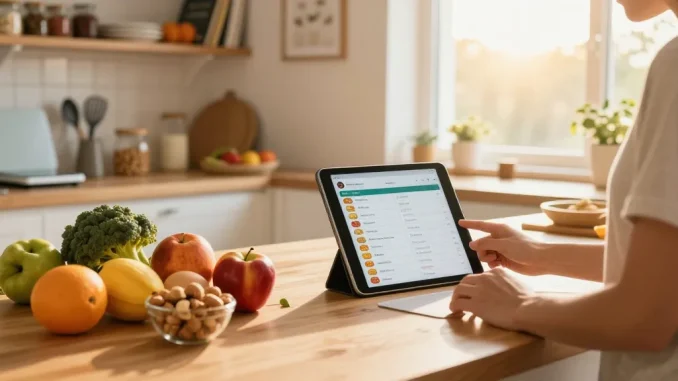
In today’s fast-paced world, maintaining a healthy diet can be challenging. Enter food tracking apps, which have emerged as vital tools for individuals seeking to monitor their dietary habits. These innovative applications offer users the convenience of logging meals, tracking nutrients, and even receiving personalized dietary feedback, all from the comfort of their devices. Understanding the functionality and benefits of food tracking apps is essential for anyone looking to take control of their nutrition.
When exploring options, best food tracker provides comprehensive insights into the top-rated applications available today, ensuring that users can find a solution tailored to their specific dietary goals.
What is a Food Tracking App?
A food tracking app is a digital tool that allows users to log their food intake, track nutritional values, and analyze their eating patterns. These apps offer a variety of features, from barcode scanning to meal suggestions, making it easier to adhere to dietary guidelines. Most food tracking apps come equipped with extensive food databases containing information on thousands of items, including calorie counts, macronutrients, and micronutrients.
How Food Trackers Can Aid Weight Management
Food tracking apps play a pivotal role in weight management by providing users with real-time feedback on their meals. By logging food intake, users can better understand their calorie consumption and make informed decisions about their diets. Research shows that individuals who regularly track their food are more likely to achieve their weight loss goals, as they gain awareness of their eating habits and can adjust their behavior accordingly.
Key Features to Look For in the Best Food Tracker
When choosing a food tracking app, it’s crucial to consider several key features to ensure it meets your needs:
- User-Friendly Interface: The app should be easy to navigate, allowing users to log meals quickly.
- Food Database Quality: An app with a robust and accurate food database can provide more reliable nutritional information.
- Integration with Other Apps: Compatibility with fitness trackers or other health apps can enhance tracking accuracy.
- Customizable Goals: Users should be able to set personal goals based on their health needs.
- Educational Resources: Access to articles, recipes, and tips can help users make healthier choices.
Top-Ranked Food Tracking Apps of 2026
With numerous options available, identifying the best food tracking apps can be overwhelming. Based on rigorous testing and user feedback, we have ranked the top apps for 2026, focusing on their unique features and benefits.
Overview of the Top 5 Food Trackers
Here’s a brief overview of the top five food tracking apps that have set the standard for quality and effectiveness this year:
- Welling: An innovative app that incorporates AI-driven insights and personalized coaching.
- Cronometer: Focuses on micronutrients with an incredibly detailed food database.
- MacroFactor: Adapts to user energy expenditure and offers personalized macro tracking.
- YAZIO: Great for meal planning with an appealing interface and extensive recipe options.
- Lifesum: Provides a mix of meal logging and healthy lifestyle guides.
Feature Comparison: What Sets Them Apart?
Each food tracking app varies in capabilities, catering to different user needs. For example, Welling stands out for its personalized coaching and advanced tracking capabilities, while Cronometer excels with its micronutrient depth, making it ideal for health-conscious users. MacroFactor is tailored for those focused on macronutrient intake, offering adaptive plans that change based on individual progress.
User Experiences: Real Feedback on App Performance
User feedback is crucial when assessing app performance. Many users have praised Welling for its intuitive design and helpful coaching features, while Cronometer often receives accolades for its detailed nutrient tracking and accuracy. Conversely, some users may find that YAZIO’s interface, although attractive, could benefit from enhanced search functionalities.
Choosing the Best Food Tracker for Your Needs
Selecting the right food tracking app requires a clear understanding of your personal goals and preferences. Here’s how to navigate this decision effectively.
Identifying Your Tracking Goals and Requirements
Start by establishing your primary objectives. Are you looking to lose weight, maintain your current weight, or improve your overall nutrition? Different apps cater to varied goals, so it’s vital to align your needs with the app’s features.
Evaluating Database Quality vs. Size
While a vast food database may seem appealing, the quality of the entries is more important. An app with verified, accurate entries will provide a more reliable tracking experience. Look for apps that prioritize quality over sheer quantity to ensure you’re getting the most precise nutritional data.
7 Essential Questions to Ask Before Selecting an App
Before committing to a food tracking app, ask yourself the following questions:
- What are my primary health goals?
- How often will I log my food intake?
- Do I need nutrition coaching or just basic tracking?
- Is the app compatible with fitness devices?
- How comprehensive is the food database?
- What kind of reports or insights does the app provide?
- Is there a community or support available within the app?
Maximizing Your Food Tracking Experience
Once you’ve selected a food tracker, maximizing its potential is key to achieving your dietary goals. Here are some effective strategies to enhance your food tracking journey.
Best Practices for Effective Logging
Consistency is vital when logging meals. Aim to log your food intake as soon as you eat to ensure accuracy. Additionally, taking photos of meals can help with estimation and provide a visual record, especially when using apps that support photo logging.
Integrating Tracking with Meal Planning
Utilizing your food tracking app for meal planning can streamline your dietary efforts. By planning meals in advance, you can ensure a balanced intake and avoid impulsive choices. Many apps provide features that allow users to create meal plans and grocery lists, making this process easier.
Understanding Feedback: How to Use It to Your Advantage
Given that many apps offer feedback on your food choices, it’s essential to understand how to leverage this information. By reviewing your nutrient intake and adjusting your meals accordingly, you can improve your diet quality over time. Pay attention to trends and patterns in your logging to identify areas for improvement.
The Future of Food Tracking Technology
The landscape of food tracking technology is continuously evolving. Emerging trends are set to transform how individuals approach their health and nutrition.
Emerging Trends in Health and Food Apps for 2026
As technology advances, food tracking apps are expected to integrate more sophisticated features such as AI-driven meal suggestions, enhanced data analytics, and personalized feedback mechanisms. The use of machine learning could lead to more accurate predictions of dietary needs and preferences based on past behavior.
Artificial Intelligence in Food Tracking: Pros and Cons
AI technology has the potential to revolutionize food tracking by analyzing user behaviors and making personalized recommendations. However, there are concerns regarding privacy and data security that users should be aware of. It’s essential that any app using AI has robust data protection measures in place to safeguard personal information.
Predictions for the Next Generation of Food Trackers
The next generation of food tracking apps will likely focus on enhancing user experience through gamification, improved user interfaces, and more interactive features. The integration of virtual nutrition coaching may also become more prevalent, allowing users to receive real-time guidance tailored to their unique dietary habits.
How Can Food Trackers Help You Build Healthier Habits?
Ultimately, food tracking apps can facilitate healthier habits by promoting accountability and awareness. By consistently logging meals and receiving feedback, users can develop a deeper understanding of their dietary choices and make informed decisions that align with their health goals. This ongoing process can lead to sustainable lifestyle changes that contribute to long-term health and well-being.